Taking the lead
on climate change


“We are in a climate emergency.
As President of the European Council,
I have a clear goal: to make Europe
the first climate-neutral continent
on the planet by 2050.”
Charles Michel
European Council President 2019-2024


The facts about global warming


Climate change is no longer simply a threat to the future. As a result of human activity, the average temperature on earth has been steadily rising since industrialisation. Global warming is happening now.
The Intergovernmental Panel on Climate Change (IPCC) – the world's reference science group for climate change – says that human activity has caused the global temperature to reach 1°C above pre-industrial levels. And temperatures are continuing to soar at a rate of 0.2°C per decade.
Human activity (energy production, transport, industry and agriculture) generates greenhouse gases. The increased concentrations of these greenhouse gases in the atmosphere, in particular CO2, are responsible for the warmer temperatures which in turn disrupt climate patterns.
According to scientists, without urgent action, the global temperature could hit a 2°C increase soon after 2060, turning the earth into a “hothouse”.


While some years back, extreme weather events seemed to affect only far-flung locations around the globe, the effects of global warming are now being felt in Europe.
The evidence is clear:
- the past three decades have been the hottest on record, with each warmer than the last
- Europe experienced extreme heatwaves in four of the past five years
- average annual temperatures across Europe between 2008 and 2018 were between 1.6°C and 1.7°C higher than before the Industrial Revolution
Voices of Europeans
"Nobody was talking about climate change [40 years ago]. In many places, the ice has become thinner or completely disappeared. It's a slow process, but it's really happening. We're not talking about models anymore. It's really something you can see."
René Forsberg is professor at the Danish National Space Institute. He has been regularly visiting Greenland for 40 years where he has been measuring and mapping its ice.


Voices of Europeans
“Changes are happening. The climate is changing. When the temperature rises one degree globally, it rises two degrees in the Arctic. I've got a five-year-old son. I want him to experience sea ice, icebergs and glaciers."
Henriette Skourup is a research scientist who has witnessed the changes in the Arctic at first hand.


Feeling the effects


The impact of climate change is most visible in the polar regions, where ice shields are melting and the sea is rising, or in areas where hurricanes are becoming more powerful and wildfires more destructive. Yet in an interconnected world, the effects of something happening thousands of miles away will eventually be felt at home.
People in Europe are already experiencing new climate events:
- more frequent heatwaves, forest fires and droughts
- a drier Mediterranean area that is more vulnerable to drought and wildfires
- northern Europe becoming significantly wetter, with winter floods becoming more common
- urban areas (where four out of five Europeans live) exposed to heatwaves, flooding or rising sea levels, but ill-equipped for change
The consequences of climate change are not limited to weather events alone. The world could lose 99% of its coral reefs, and see its ecosystems destroyed and sea levels rise by up to seven metres. The repercussions could be very severe for food production, political stability and economic, water and energy systems.
Extreme climate-related events have a damaging economic effect, with reported losses across EU member states between 1980 and 2017 totalling more than €450 billion.
Further afield, the world’s poorest developing countries, where people depend on the natural environment, are among the hardest hit and least able to cope. Some regions are experiencing more heat-related deaths, while disease-carrying insects and water-borne illnesses are affecting new areas.
Doing nothing to combat these changes could force people to leave their homes and migrate, lead to conflicts and threats to security.


The EU is taking decisive action


Scientists have made it clear that if global warming goes unchecked, the consequences will be catastrophic. But hope remains. Global warming can be curbed, if action is taken now.
The EU has long recognised the importance of tackling global warming, of limiting the effects of climate change and of leading by example in areas such as cutting greenhouse gas emissions .
The EU’s first package of climate and energy measures set a key objective: reducing emissions by 20% by 2020.
The EU is on track to meet this target. According to 2019 data, EU emissions have been reduced by 24% compared to 1990 levels.
However, in 2014 EU leaders recognised that the EU needed to go further to transform Europe into the highly energy-efficient, low-carbon economy the future demands.
New targets were set for 2030:
- a reduction of at least 40% in greenhouse gas emissions (from 1990 levels)
- an increase to at least 32% in renewable energy
- a improvement in energy efficiency by reducing energy consumption by at least 32.5%
In December 2020, EU leaders endorsed a binding EU target of a net domestic reduction of at least 55% in greenhouse gas emissions by 2030 compared to 1990.
To achieve its climate objectives, the EU has put in place a number of measures. The list below provides some examples of EU action.
Reducing emissions from different sectors
In order to deliver on the EU’s target for 2030, all sectors of the economy have to contribute to reducing greenhouse gas emissions.
The EU has put in place a system which provides incentives to reduce emissions from the power sector and heavy industry in a cost-effective manner. The EU emissions trading system is a market-based mechanism that sets a cap on the amount of greenhouse gas emissions that power stations and manufacturing plants can emit into the atmosphere.
Below this cap, emitters can either receive or buy emission allowances: if a company manages to reduce their emissions, they can sell their spare allowances to other companies covered by the system.
The system covers over 10 000 installations in the energy and industrial sectors, which are collectively responsible for close to half of the EU’s total greenhouse gas emissions.

For sectors which are not part of the emissions trading system, such as transport, buildings, waste and agriculture, EU countries have adopted binding national targets, which are set out in the effort sharing regulation.
Member states are responsible for national policies and measures to limit emissions in the sectors concerned. However, some EU-level measures are in place to help countries meet their targets, such as legislation on fluorinated greenhouse gases, CO2 emission standards for road vehicles, and energy performance of buildings.
For example, to reduce CO2 emissions from road transport, EU countries have agreed on strict rules for vehicles. From 2030, new cars will have to emit on average 37.5% less CO2 compared to a decade earlier. Emissions from new vans and trucks will also have to be reduced.


A clean energy future
The growth of renewable energy generation has changed Europe’s energy mix over recent decades. The share of renewables in the EU’s total energy mix has more than doubled since 2004, reaching 17.5% in 2017, and in terms of renewable energy generated per person, the EU is the global leader.
But society still remains too reliant on fossil fuels. So the EU has committed to sourcing 32% of its energy from renewable sources by 2030. It is steering this transition with support schemes for renewable electricity producers, such as wind farms, and by providing the right conditions for households who, for example, use solar panels. As vehicles are still burning too much petrol and diesel, obligations are put on fuel suppliers to provide renewable energy for transport.
The EU is also aiming to become more efficient in its energy use, by reducing energy consumption by at least 32.5% by 2030. Increasing energy efficiency – using less energy to do the same work – not only reduces greenhouse gas emissions, but improves energy security, cuts costs for households and businesses, and can contribute to job creation and growth.
EU law now requires member states to decarbonise highly inefficient existing building stocks, to ensure minimum energy performance standards for new properties and renovations, and to promote the use of smart technology to improve buildings’ energy efficiency.
Voices of Europeans
“At the beginning of the 1990s… we put in place a sustainable development programme for rubbish, water, agriculture, fishing, energy… [El Hierro is] the first island in Europe to be energy self-sufficient. We have managed to turn wind, which is a variable source of energy, into a stable service by combining it with hydraulic energy.”
Javier Morales is a sustainability engineer who has been working in the area since the 1990s.


Transforming Europe’s industries
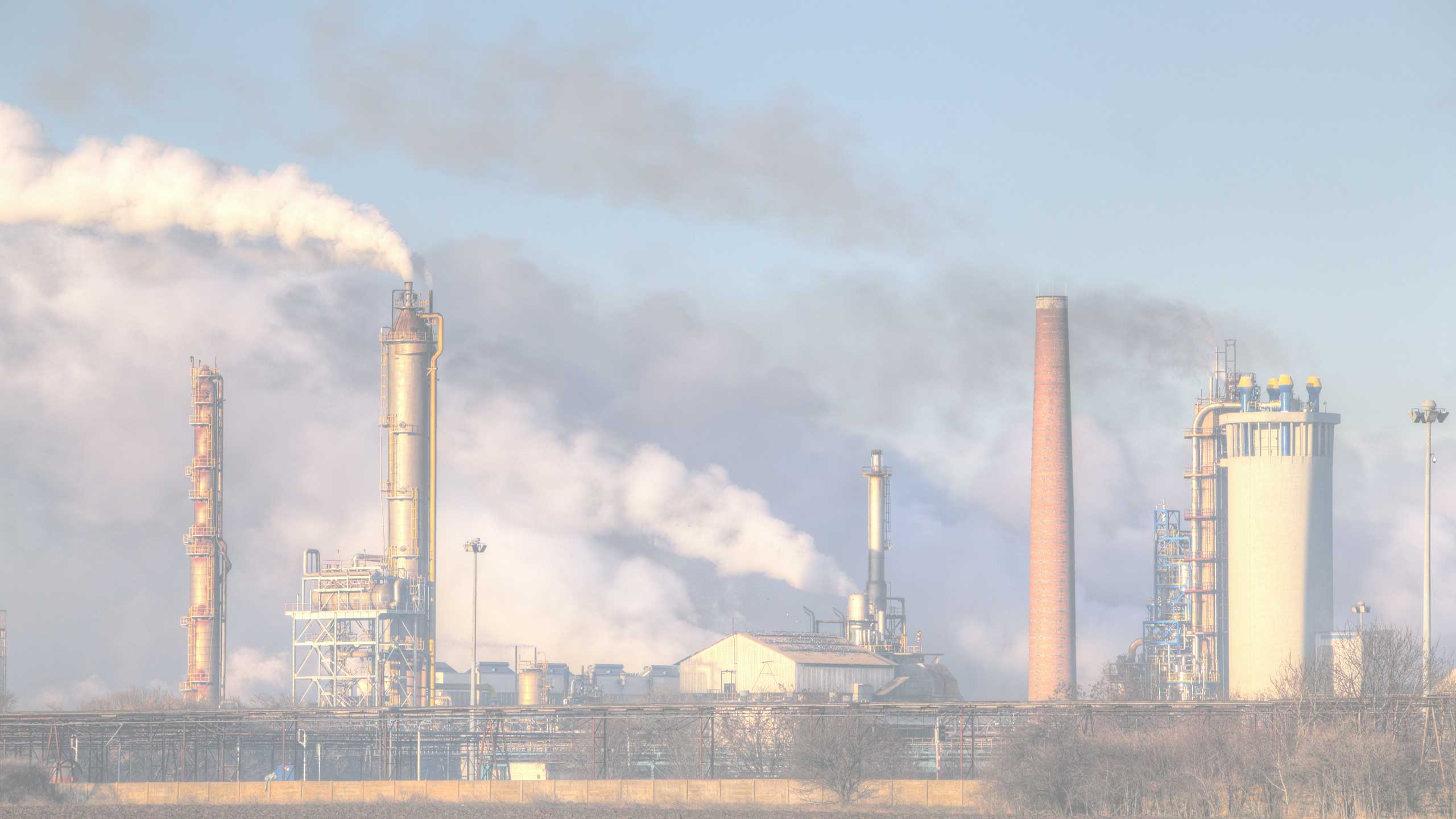
The EU recognises the need to support and foster innovation in more climate-friendly technology. The Innovation Fund – financed through the emissions trading system – could offer, depending on the carbon price, about €10 billion for the development of low-carbon technologies and processes in energy-intensive industries, as well as carbon capture and utilisation schemes, renewable energy generation and energy storage projects up to 2030.
The Fund will focus on large-scale projects which can bring about significant emission reductions, with the objective of boosting EU companies’ growth and competitiveness. Cross-cutting and smaller initiatives will also be eligible for support. The first call for proposals is expected in 2020.
The Modernisation Fund, also financed through the emissions trading system, will provide additional significant funding for investments in modernising energy systems, and will support a socially just transition to a low-carbon economy in ten lower-income member states before 2030.
Voices of Europeans
“About eight years ago, I founded a green energy company. I buy wood directly in forests from municipalities. Then it gets processed in a splitter machine and packaged again in vats or boiled in a biogas facility. Thanks to EU subsidies, I was able to expand my green energy company and, at the same time, strengthen the region in this field.”
Michael Schwarz is a German bio-engineer.


Using nature to fight climate change
Forestry and other land use activities are not only a source of CO2 emissions; forests and land also have the ability to absorb CO2 from the atmosphere. EU forests absorb the equivalent of nearly 10% of total EU greenhouse gas emissions each year. The EU has therefore agreed on new rules to encourage a more climate-friendly land use, ensuring that, across the EU, land is used in a way that helps both reduce and offset emissions.
The rules, known as the ‘LULUCF regulation’, commit each EU country to compensating for emissions caused by activities related to the use of its land, such as deforestation or ploughing up grassland, with actions that contribute to reducing CO2 in the atmosphere. This can be achieved by planting new trees, but also, for example, by restoring wetlands. The regulation will also help to encourage the development of climate-smart agriculture practices.
Voices of Europeans
“Heatwaves in Bologna will increase if we don’t take immediate action. By 2020, we will plant 5000 trees, install 10 green roofs on public buildings and create more green spaces in the historic city centre. EU-funded satellite data collection has helped us to visualise heatwaves in our region. We meet and share these climate and energy solutions with other European towns and cities. Together, we want to find ways to control rising temperatures.”
Giovanni Fini is an expert in Energy and Sustainable Development for the Municipality of Bologna.


Building a sustainable society
The circular economy – an economic system in which waste is reduced and the continual reuse of resources is promoted – is an important driver for cutting greenhouse gas emissions and halting biodiversity loss. New EU laws are helping member states to tackle marine litter from plastics, to improve chemicals management and to increase recycling. However, the EU acknowledges that circularity also needs to be promoted in other key sectors, including textiles, transport, food, electronics, construction and demolition.
In December 2020, the Council adopted conclusions on the latest Circular Economy Action Plan published by the European Commission in March 2020. The conclusions provide political guidance on the broad range of actions envisaged in the action plan, including the integration of sustainability principles in product design, with a focus on resource-intensive and high-impact sectors such as textiles, construction, batteries and plastics.
The plan sets out a comprehensive framework aimed at accelerating the transition towards a ‘regenerative growth model’ that will make a significant contribution to the EU’s goal of achieving climate neutrality by 2050, and to decoupling economic growth from resource use while ensuring the long-term competitiveness of the EU and leaving no one behind. Within this framework, a draft regulation setting ambitious objectives for the entire life-cycle of batteries is currently being examined by the Council.

Voices of Europeans
“We are nine students and we've set up an organisation called What About Waste, which fights against single-use plastics. I don't think it's too late. I don't want there to be more plastic than fish in tomorrow's oceans. The new generation is going to reinvent the system and we mean business. We have come up with a steel alternative to plastic straws, which you can reuse and wash."
Fanny Everard is a student climate activist from Belgium.


Taking action at international level
Cooperation at global level is essential to taking meaningful action on climate change. Through the United Nations Framework Convention on Climate Change (UNFCCC), the EU
is working to achieve the goals of the Paris Agreement: to keep the global average temperature well below 2°C , and to try to limit it to 1.5°C , when measured against pre-industrial levels.

The EU cooperates with regional and economic groups to develop policy, conclude bilateral agreements and build sustainable development into trade agreements. It is also committed to helping developing nations adapt to climate change. Taken together, the EU, its member states and the European Investment Bank are the biggest contributor of public climate finance to developing countries, giving €23.2 billion in 2019 alone.


Looking to a climate-neutral future


The EU is committed to spearheading the global fight against climate change. EU leaders aspire to make Europe the first economy worldwide to become climate-neutral by 2050.
The 2050 target was agreed in December 2019. Just a year after, EU leaders endorsed an updated EU target for emission reductions by 2030: up from 40% to a net domestic reduction of at least 55% in emissions compared to 1990 levels.
This increased climate ambition will:
- spur sustainable growth
- create jobs
- deliver health and environmental benefits to people
- contribute to the EU's long-term competitiveness
While emphasising that the transition to a climate-neutral EU will bring about significant opportunities for economic growth, jobs and technological development, leaders also recognise the need to ensure that such transition is socially balanced and fair. To this end, a just transition mechanism is to be set up to support fossil-fuel dependent regions in their path towards decarbonisation.
Achieving the objective of climate neutrality will require all sectors of the economy to contribute to the transformation, with significant investments needed in innovative green technologies, the circular economy and the sectors of energy, buildings, transport, industry and agriculture.
EU leaders have committed to securing at least 30% of the EU's multi-annual budget and Next Generation EU budget for the climate transition. The economic response to the coronavirus crisis offers the opportunity to accelerate the sustainable transformation and modernisation of the EU's economy.
European Green Deal
In December 2019, the Commission presented the European Green Deal communication as the new proposed growth strategy for the EU to achieve climate neutrality by 2050. This strategy requires a holistic approach in which all EU actions and policies contribute to its objectives. It recognises that policy areas - including climate, the environment, energy, transport, industry, agriculture and sustainable finance - are closely interlinked. It announces both new policy initiatives and reviews of existing legislation in line with the EU’s climate ambition.
According to its roadmap, the Commission has put forward several initiatives and proposals for legislation under the Green Deal. EU member states have so far discussed some of these initiatives within the Council.
Shaping global climate action
In 2020, the EU adopted its long-term strategy and updated nationally determined contribution to be submitted to the United Nations Framework Convention on Climate Change, as required under the Paris Agreement. In doing so, the EU stepped up its climate goals for 2030 and reaffirmed its commitment to the 2050 climate-neutrality target.
By agreeing and delivering on an ambitious social and economic transformation, the EU and its member states aim to inspire global climate action and demonstrate that moving towards climate neutrality is not only imperative, but both feasible and desirable too.
While the EU is determined to set an example for the rest of the world, climate change is a global issue. International cooperation is essential, and Europe’s leaders will continue to work together with global partners in multilateral fora to make their political goals a reality.
Credits
Turning globe: Getty Images, used under licence to Harpoon Productions
Iceberg background to infographic: Adobe Stock, used under licence to Harpoon Productions
Storm clouds: copyright: luchschen / 123RF Stock Photo, used under licence to Harpoon Productions
Drought: Sven Lachmann from Pixabay
Forest fires: Flickr user Quarrie Photography, (licence)
Flooding in Venice: Miguel Medina, AFP
Bees video: copyright jordanrusev / 123RF Stock Photo used under licence to Harpoon Productions
Exhaust fumes: Adobe Stock, used under licence to Harpoon Productions
Wind turbine: Lukas Bieri from Pixabay
Factory emissions: copyright Tomas1111 / 123RF Stock Photo, used under licence to Harpoon Productions
Vertical garden: copyright Clodio / 123RF Stock Photo, used under licence to Harpoon Productions
Girl sorting recycling: copyright rawpixel / 123RF Stock Photo, used under licence to Harpoon Productions
COP25 conference: via Flickr from UNclimatechange (licence)
Girl walking with balloons: copyright Palidachan/ 123RF Stock Photo used under licence to Harpoon Productions
Other images: copyright European Union
Last update 1 December 2024


 Built with Shorthand