
Global Europe
The value of free and fair trade
Archived content
The content on this page is provided for reference purposes only.
This content has not been altered or updated since 20/11/2019



I. Everyone's interest
Portuguese shoes
Some 3500 kilometres separate the small river town of Oryahovo from the bustling port city of Porto, Portugal's second largest.
Better known for its maritime history than for its footwear industry, it is nonetheless host to a nation-wide association of shoe manufacturers that currently exports around 800 000 pairs a year to Canada.

This was made possible by the signing of the CETA agreement in 2016.


Bulgarian wines
The Bulgarian town of Oryahovo lies on a gentle slope overlooking the river Danube. On its outskirts, 15 people work in a boutique winery that exports locally-sourced Chardonnay and Pinot Noir to destinations as far away as Canada. This is not a random market: profitable commerce is possible because Canada and the European Union have a free trade deal.

The next distant export market targeted by the Bulgarian wine producer is Vietnam. Once adopted, the EU-Vietnam deal would gradually remove the tariffs and customs duties on European wines - currently at 50% - over a seven-year period. This will help future expansion of European companies such as the boutique winery in Oryahovo.
Ms Marinova's optimism is grounded in reality. Hundreds of thousands of European small and medium-sized enterprises (SMEs) like her own have drawn clear benefits from EU free trade agreements (FTAs).


Swedish renewable technology
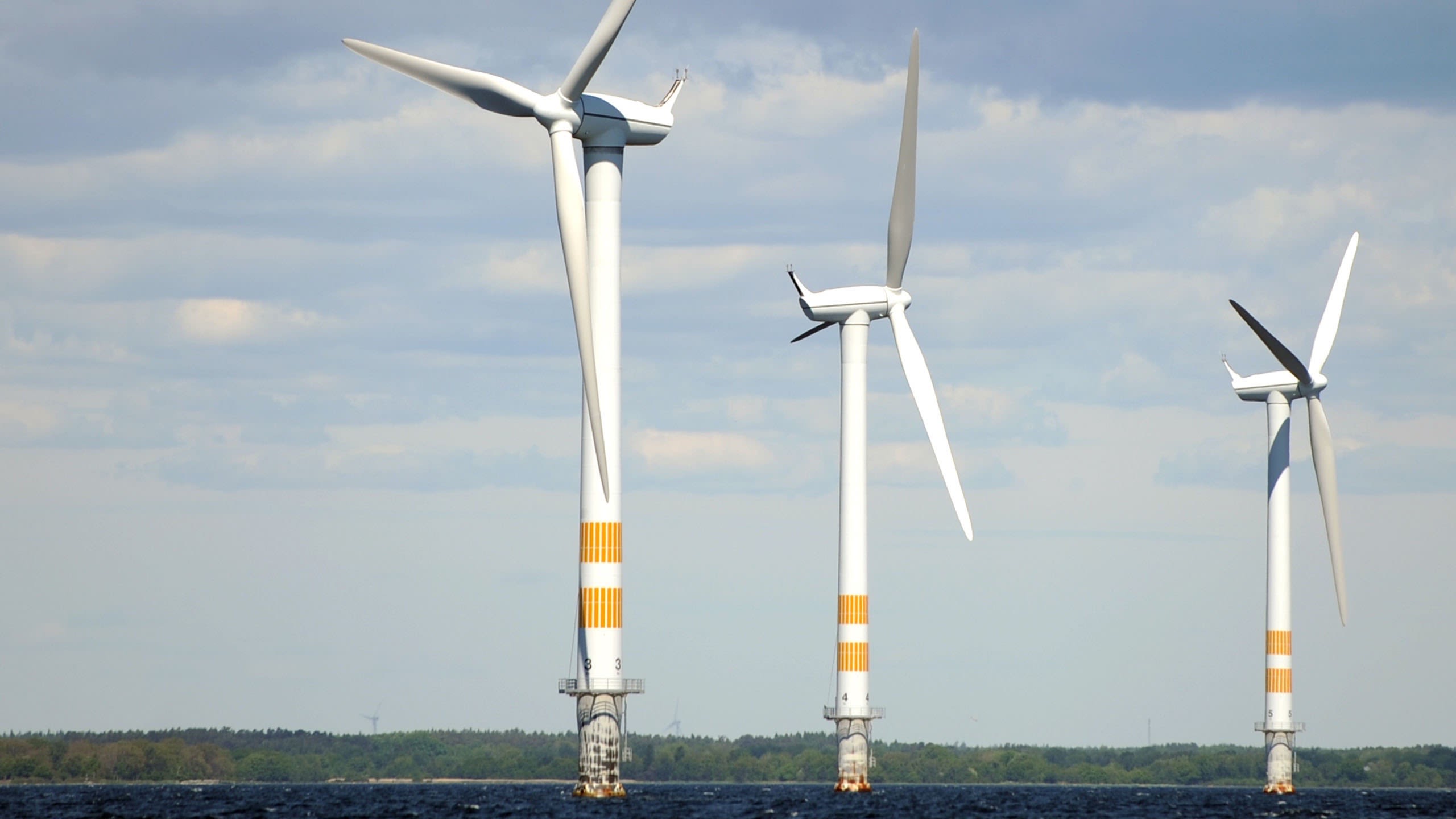
Proximity to water has often fostered trade. No surprise then that another successful European SME trading overseas comes from near the Swedish fjords, in Robertsfors. Cue Dee is a small company employing 30 people. It plans to export to Argentina technology which helps boost renewable energy infrastructure.
The trade agreement between the EU and Mercosur (Argentina, Brazil, Uruguay and Paraguay) would play an essential part in the Swedish company's business plan. Negotiations on this deal were concluded in June 2019.

Defending trade
In order to ensure that imported products are available at affordable prices, to protect the interests of EU citizens and businesses against unfair trade practices, and to answer concerns raised in relation to specific trade deals, the European Union has taken concrete action. Measures include trade defence instruments and trade provisions protecting environment and agriculture.
90% of future global growth is predicted to take place outside Europe. SMEs - with their significant role in global supply chains - are well placed to take advantage of this trend. This matches the EU's vision that trade is not just for the multinationals but is an opportunity for all.
II. Understanding trade
The bigger picture
Free and open trade is about more than removing tariffs. It is also about eliminating non-tariff barriers such as import licensing, rules for the valuation of goods at customs, pre-shipment inspections or certification procedures.
Trade without such frictions brings lower prices and better value for consumers. And that's not all: the foreign investments channelled through trade agreements give employment a significant boost. Currently, 1 in 7 jobs in Europe depend on trade with the rest of the world.
Why free trade?
Why free trade?
In its cooperation with global trade partners, the EU abides by the rules of the World Trade Organisation (WTO). This organisation brings together governments and customs territories that set, apply and enforce the global rules for trade between themselves.
With 164 members, the WTO represents 98% of world trade. In order to protect the varying interests of its members, the WTO seeks to strike the right balance by:
- providing a forum for governments to negotiate trade agreements
- operating a system of trade rules
- settling trade disputes
The many faces of trade
The EU currently has 41 trade agreements with 72 countries.
Three examples of trade agreements:
- free trade agreements (FTAs)
- economic partnership agreements (EPAs)
- association agreements (AAs)
FTAs enable reciprocal market opening with developed countries and emerging economies by granting preferential access to markets.
EPAs are a particular type of FTAs. They are tailor-made, preferential deals which include a development component. For instance, EPAs with trade partners from African, Caribbean and Pacific countries.
AAs bolster broader political agreements. For example, the deals with Ukraine and Georgia aim to deepen political ties and strengthen economic links with the two countries.
The EU also signs customs union deals. They eliminate customs duties in bilateral trade and establish a joint customs tariff for foreign importers.
Case study: EU-Japan
How do free trade deals work?
A relevant example is the EU-Japan trade deal, signed in July 2018 and entered into force in February 2019.


The main elements of this deal ensure:
- removal of tariffs and certain non-tariff barriers
- opening up of service markets
- increased access to public procurement
- protection in Japan of more than 200 European geographical indications (GIs) for food and drink
This agreement also introduced a commitment to the Paris climate agreement.

In addition, the EU-Japan trade deal enables a specific agreement covering other areas such as human rights and basic freedoms.
By removing most of the tariffs on EU exports to Japan, European companies stand to make savings of €1 billion per year.
Also, by opening service markets, this trade agreement is expected to contribute to the creation of 15 000 new jobs in the EU for every extra €1 billion gained from the trade with Japan.
The EU/Japan trade deal
The EU/Japan trade deal
As mentioned, the deal also protects EU GIs on Japanese markets. This means that European agricultural products, spirit drinks and wines will be guarded against misuse or imitation.


Who decides what
How does the EU manage trade negotiations?
And what is the role of the Council of the European Union?

Trade negotiations are very technical, sensitive and lengthy affairs, subject to high scrutiny from the public. The EU's negotiations with Japan were finalised in six years while those with the South American bloc Mercosur were only concluded after 20 years.
The Council enables the start of trade negotiations. Which means that the EU member states decide together to authorise the European Commission to open trade talks with another country or trading bloc. They also set the limits of the Commission's mandate by way of a negotiating directives.
It is then up to the European Commission to carry out the negotiations, during which it consults the Council and also informs the European Parliament.
Once the Commission reaches a provisional agreement with the trade partner, the conclusion process which leads to the entry into force can start.
First, the Council authorises the signature of the deal. Second, the European Parliament gives its consent.
Important note: depending on the nature of the agreement, the deal may also need to be ratified by all EU countries - a process that can take several years. In the case of the CETA deal with Canada, only half the EU countries had ratified it within two years of the start of the process. Not long after, the Council adopted a new approach on negotiating and concluding EU trade agreements.
To return to the trade negotiation process: in the final stage, the Council formally concludes the trade agreement, paving the way for its entry into force.
III. Taking action
The EU helps
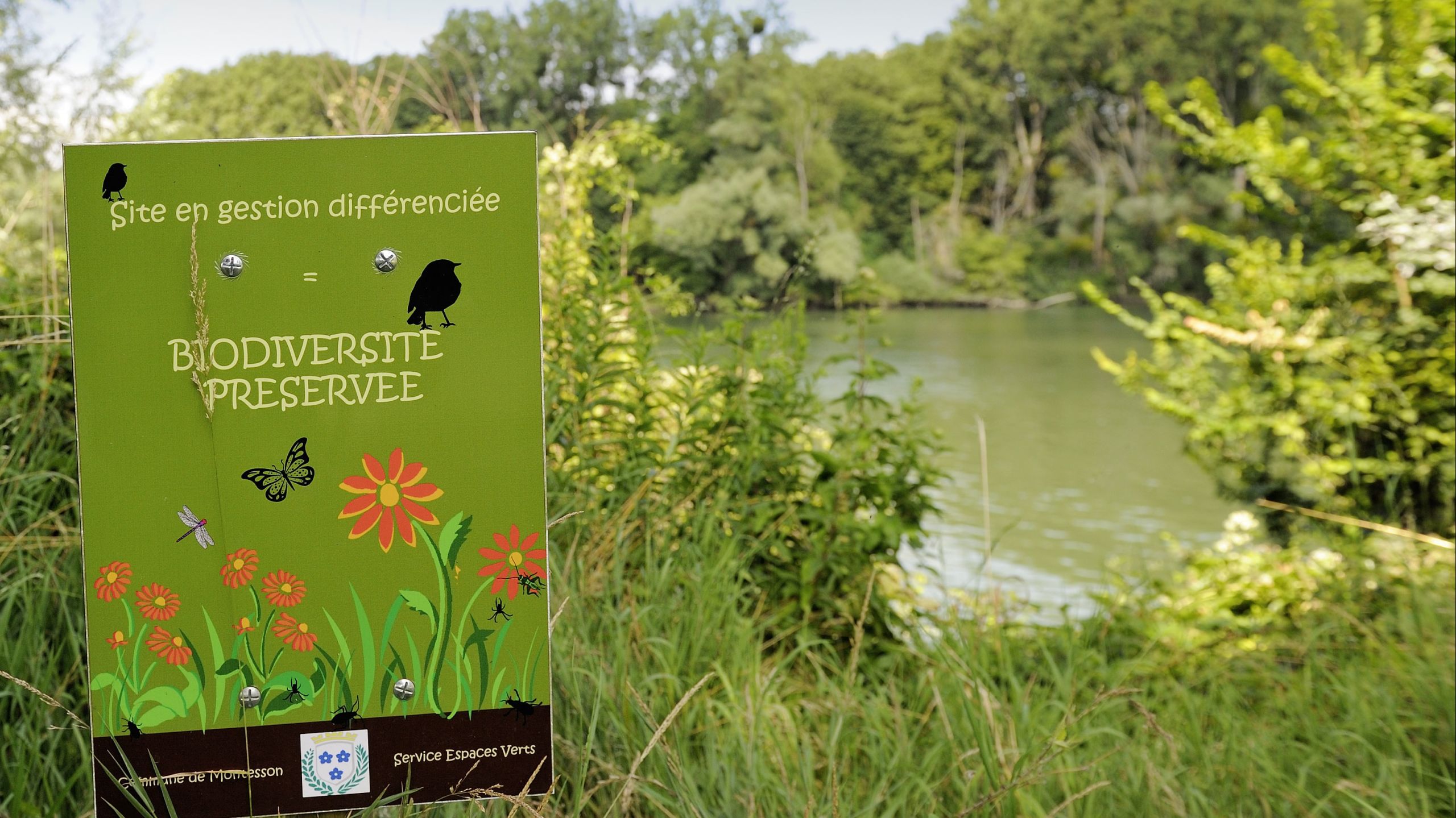
Those who dispute the value of free trade put forward a number of legitimate fears. Among them: that big international companies can gain disproportionate power in global trade, and that increasing production to profit from exports can hurt ecosystems and threaten biodiversity.
However, the EU works to address trade risks. For instance, it assists SMEs focused on external trade. Many face difficulties such as customs and marketing which affect their competitiveness in relation to big companies. This is why the EU trade agreements now include provisions such as:
- providing information online on market requirements
- an SME helpdesk advising on unfair trade practices
- the Enterprise Europe Network providing access to helpful contacts
On climate, the EU is devoted to implementing trade practices with a low environmental impact. At the same time, the European Union supports initiatives that can have other positive effects, such as:
- encouraging innovation
- spurring investment in low-carbon production in third countries
- lowering the cost of environmental goods and services
Moreover, EU trade policy measures feature in numerous environmental instruments. They include restrictions to protect endangered animal and plant species. One of the most prominent examples of EU environmental instruments that contain trade measures refers to trade in illegal timber.
The EU defends
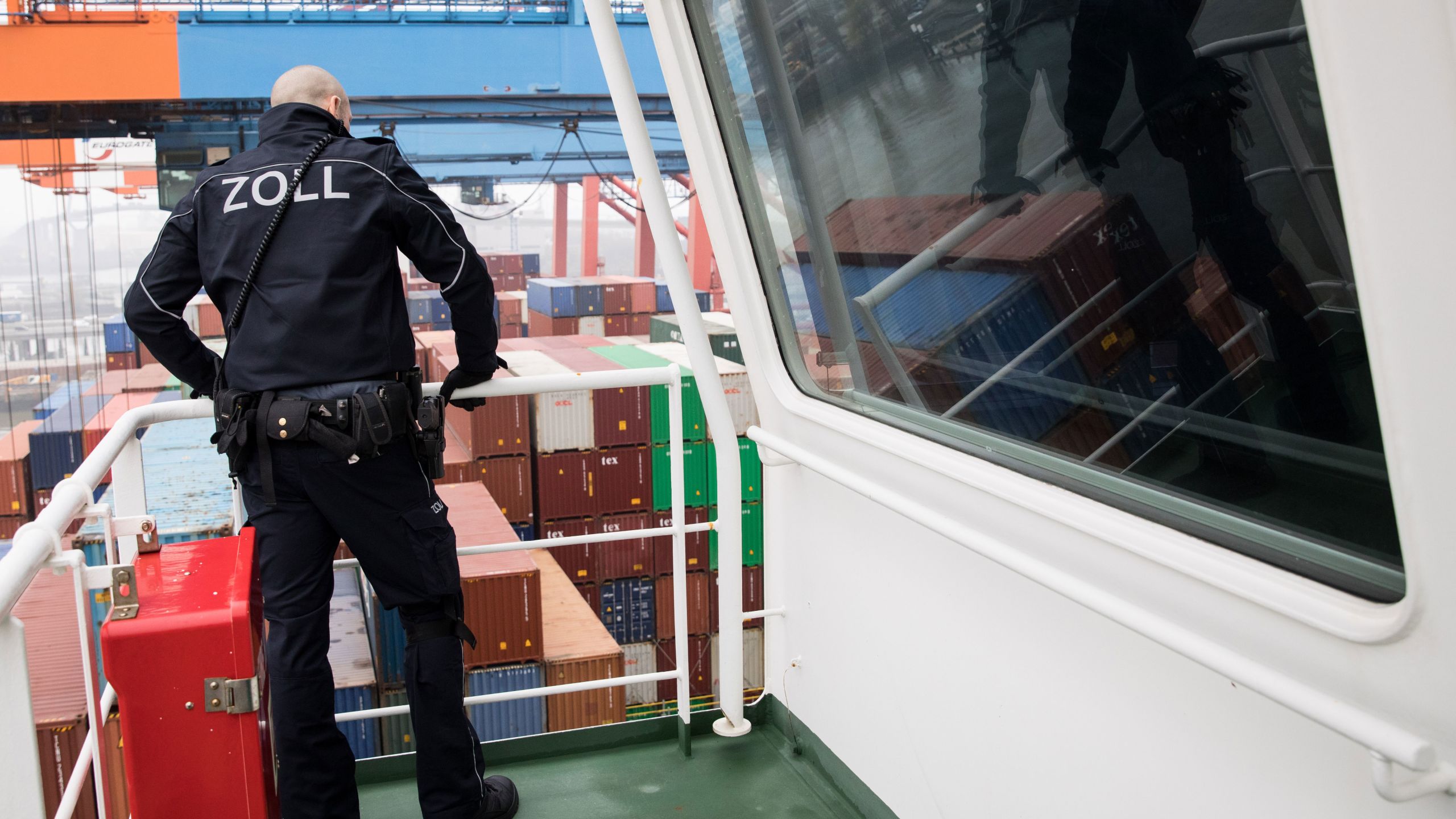
Over recent years, the EU has worked to modernise the so-called EU trade defence instruments (TDIs).
They aim to counter unfair trading practices such as dumping, subsidies and foreign investments that threaten Europe's internal security and infrastructure.

How do TDIs work?
For example, the EU counters manufacturers from non-EU countries who sell goods in the EU under 'dumping' conditions - meaning below the sale price in domestic market or below the cost of production. This allows the European Union, upon investigating concrete cases, to correct any damage to EU companies by imposing anti-dumping measures.
The EU can also impose duties through the anti-subsidy instrument. A subsidy is a financial contribution made by a government or a public body that benefits the recipient. The EU can utilise duties to counteract a subsidy that distorts fair competition in the EU market.
Through the new legislation on the screening of foreign direct investments, the EU can now also coordinate scrutiny of investments from third countries. This is to ensure that they do not threaten European security or public order. It is a way of protecting European technologies and interests.
The EU remains open for business with trade partners big and small. At the same time, the EU will always ensure that its interests are protected, especially in strategic sectors.
Safeguards represent an additional TDI. They protect specific industries that finds themselves affected by an unforseen, sharp and sudden increase of imports. Safeguards apply to all imports from all countries and therefore require very strict conditions.
Bilateral safeguard measures are usually included in the EU's bilateral trade deals. They allow for the temporary withdrawal of tariff preferences granted by a given trade agreement when related imports reach an unexpectedly high level leading to serious economic damage to EU operators.
In January 2019, the Council and the European Parliament adopted the so-called 'horizontal bilateral safeguards'.
This regulation currently covers the trade deals with Japan, Singapore and Vietnam but other agreements can be included.


IV. Principles and values
Labour rights
Democracy, the rule of law, human rights and basic freedoms. The EU has shaped its trade agreements to ensure that these core values are also protected.
For instance, the trade agreement between the EU and Vietnam, signed in June 2019, puts the onus on labour rights and sustainable development. There are both benefits and commitments. An example of the former: the Vietnamese will profit from the lifting of more than 70% of duties on their exports to the EU. An example of the latter: Vietnam has vowed to implement International Labour Organisation (ILO) standards. Such commitments include banning child labour and the freedom to join independent trade unions.

Other aspects of the EU-Vietnam deal include:
- preventing a race to the bottom - no undermining of domestic labour and environmental laws in order to attract trade and investment
- involving civil society in the implementation of the trade and sustainable development chapter
- taking action in sectors of specific relevance in Vietnam - such as the conservation of wildlife and biodiversity
Another example is the EU-Singapore trade agreement and investment deals signed in October 2018. This deal will also help protect people's rights at work.


Climate diplomacy
The EU's toolkit of how to tackle climate change globally includes climate diplomacy - which is made effective through open trade. Bilateral agreements such as FTAs allow the EU to spur collective action so as to meet the objectives of the 2015 Paris Agreement.
The trade deal with Vietnam, mentioned earlier in this section, is one such agreement. It abides by the UN conventions on the fight against climate change and the protection of biodiversity.
Fighting poverty
For people all across Africa, trade agreements with the EU help alleviate poverty and bring them on the path towards stability and prosperity.
For instance, one it has been signed by all parties, the economic partnership agreement (EPA) with West Africa will provide a stable market in Europe for around 25 000 households that make their living from mango production in Senegal. It also contributes to programmes that help producers comply with the EU's plant health and food safety standards.
Also, Namibian fishermen export 75% of their hake catches to the EU. They will now find it easier to charter vessels and still comply with the rules of origin - so that they retain their free access to European markets.


Refusing human exploitation
The EU is clear in its refusal to import products which have been produced through illegal labour and human exploitation.
A relevant example for this approach is the EU regulation on conflict minerals.
In politically unstable areas, armed groups often use forced labour to mine minerals. They then sell those minerals to fund activities such as buying weapons.
The so-called 'conflict minerals' are tin, tantalum, tungsten and gold. They are used for the production of widely spread items such as mobile phones, cars and jewellery.
In May 2017, the EU passed a regulation that ensures that EU companies only import these minerals from safe and responsible sources.
The human rights-related clauses in trade agreements allow the EU to suspend the deals at any time in the event of a breach by the other party. It has never done so to date, preferring constructive engagement and to promote trust. But the EU is acknowledging calls for stronger enforcement.


V. Multilateralism
The need for rules
The EU respects the principles of the World Trade Organisation (WTO). Among them: anti-discrimination, predictability and fair competition.
Zooming in.
Trade without discrimination means that, under WTO rules, countries cannot, in normal circumstances, grant special treatment to only one trade partner while not extending the same favour to other WTO members.
Within the WTO, predictability means ensuring stability through trade policies. For instance, lowering a trade barrier as an open commitment to trade partners encourages investment and gives a boost to the jobs sector.
For the WTO, fair competition means striking the right balance between free trade and tariffs, where there is a need for such measures.
WTO rules feed into a complex mechanism that seeks to establish what is fair or unfair in world trade. However, in the current climate of mounting global trade tensions, this appears to be an increasingly difficult task.
The EU's response to date has been consistent: trade wars need to be stopped and the rules-based multilateral system has to be preserved and deepened.
In order to achieve these objectives, against the backdrop of an evolving international trading system marked by growing protectionism, the EU must tackle challenges such as the modernisation of the WTO.
Modernising the WTO
The EU is considering a comprehensive approach for the modernisation of the World Trade Organisation. This is shaped around the following lines:
- rulemaking
- monitoring
- dispute settlement
In a nutshell, this approach can be summarised as: agreeing common rules between world trade partners; overseeing the implementation of the agreed rules; and ensuring that these rules are not exploited by any side.


EU-US trade
The value of EU-US trade is hard to dispute. The EU and the US are each other's biggest export partners. Together, they make up 30% of the world's trade. Between 2016 and 2018, the total value of EU-US trade in goods surpassed €600 billion per year.

However, recent events in this crucial bilateral trade relation have given the EU cause to speak out against unilateralism and protectionism.

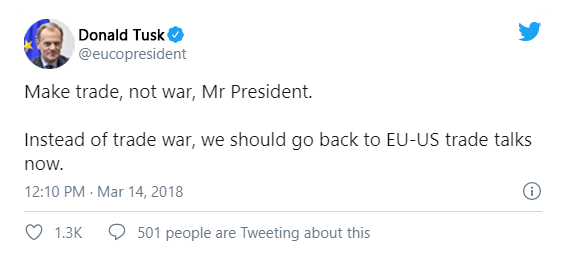
While the EU is prepared to react proportionately to any unilateral measures from the US - and it has demonstrated its ability to remain united and decisive on matters of trade - the European Union favours de-escalation and negotiated solutions.
Indeed, the EU's priority is to avoid increasing trade uncertainty. Or, in the words of the first American president, George Washington, 'to give trade a stable course'.
This trade policy direction, uttered at the end of the 18th century, was echoed by the EU-US joint statement from July 2018.
Both sides agreed to work together towards common objectives such as zero tariffs and zero subsidies on non-auto industrial goods. They also agreed to work to reduce barriers and increase trade sectors such as:
- services
- chemicals
- pharmaceuticals
- medical products
- energy


EU-China trade
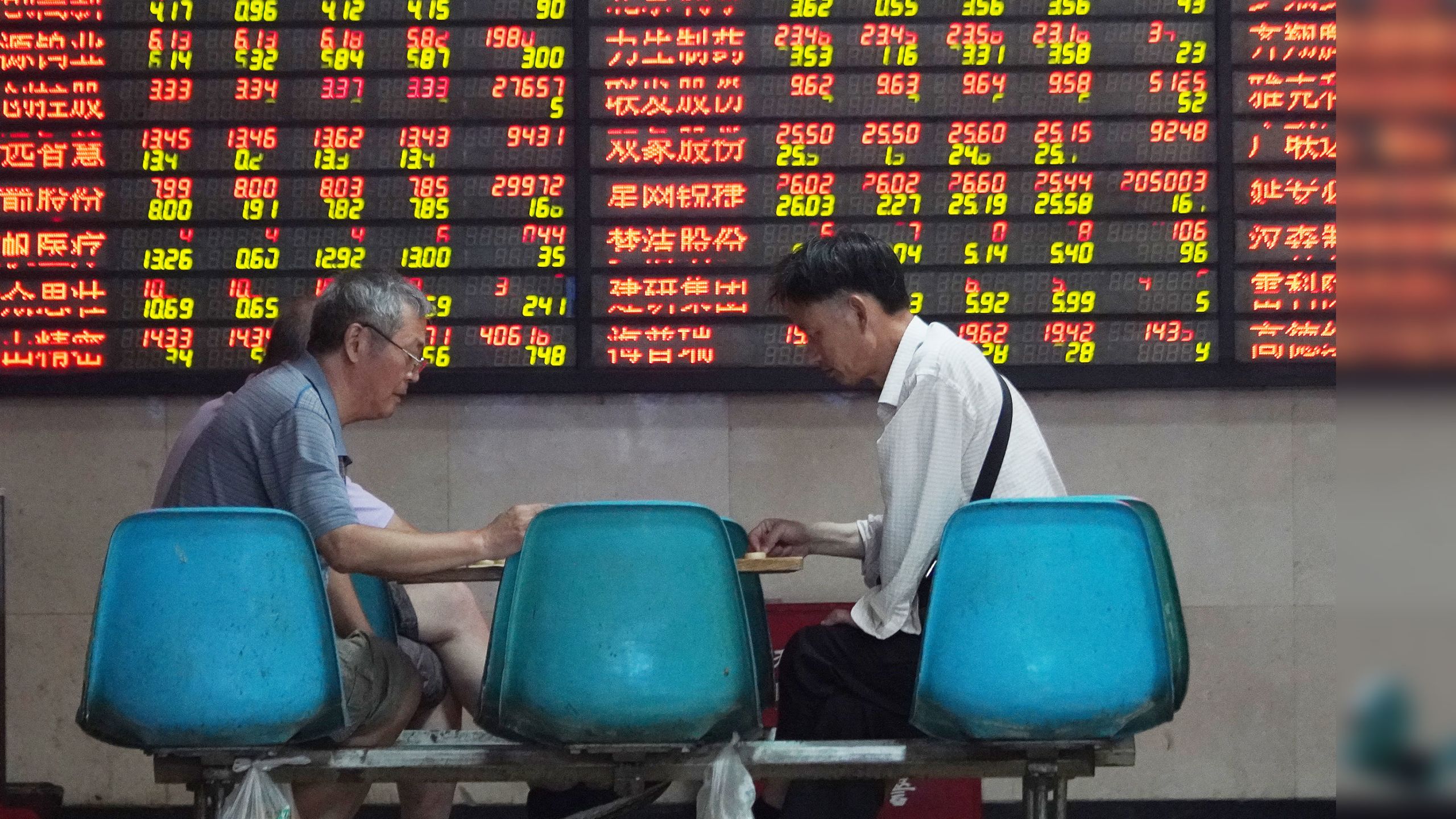
During the EU-China summit in April 2019, both sides committed to further strengthen the bilateral strategic partnership, with commerce as a key component.
EU and China trade averages over €1 billion a day.

On this occasion, EU and China leaders expressed their joint support for multilateralism and rules-based trade. They also reaffirmed their engagement to reform the World Trade Organisation, which China joined in 2001. The EU and China also agreed to work together to address industrial subsidies.
However, the EU has identified areas for improvement in the bilateral trade relation with China. They include:
- transparency
- non-tariff measures that discriminate against foreign companies
- strong government intervention in the economy

VI. Assertive Europe
The EU's trade policy empowers the European Union to raise its standing abroad and provide prosperity at home. It is constantly evolving in order to meet global trends and address concerns. In addition, it helps spread EU values overseas and maintain predictability between world powers.


Free trade works
The EU is continuing its work on new trade deals with like-minded international partners. Agreements with New Zealand, Australia, Indonesia and Chile are all in the pipeline.
European producers like the wine merchants in Bulgaria, the shoemakers of Portugal or the renewable energy engineers from Sweden will all continue benefit.
What the EU is keen to make clear to all trade stakeholders around the world is that free and open trade works.
Looking at the CETA deal with Canada two years after it entered into force provisionally, the EU can report the following achievements:
- 221 000 workers in the EU are employed by Canadian firms
- EU-Canada bilateral trade in goods increased by more than 10% in 2018
- the agreement protects over 140 unique EU food and drink products
Another major trade deal, EU-Mercosur, has made decisive progress in 2019. However, while a political agreement has been reached, aspects such as the safety and traceability of products, and respecting climate commitments remain a cause for concern. The latter has been fuelled by the situation around the fires in the Amazon.
Transparency
The complex processes of trade negotiations are constantly scrutinised and decided upon by elected representatives of EU citizens.
EU member states give the greenlight for both the start and the finalisation of trade negotiations. And the directly elected European Parliament can accept or refuse to give consent for trade deals.
In order to ensure that all EU countries' interests are adequately reflected in trade agreements, the EU favours consensual decisions and open dialogue. The European Union stresses the importance of keeping all stakeholders, including national parliaments and civil society, informed of the progress and content of trade negotiations. This boosts transparency.
Strategy and vision
The EU is committed to multilateralism, as it demonstrated in September 2019 during the United National General Assembly in New York. In the EU's vision, multilateralism is the only solution in today's complex world.
The EU's 2019-2024 strategic agenda supports this vision. It aims to ensure an ambitious and robust trade policy, within the reformed WTO and bilaterally between the European Union and its partners.
This level or assertiveness means that the EU looks to consolidate and strengthen its position at the forefront of global trade. The EU's success will mean more jobs and bigger growth at home, fair and open trade abroad and sustainable development for Europe's trading partners. In other words, a win-win.


Credits:
Title video:
Adobe Stock, used under licence to Harpoon Productions
Everyone's interest:
Bulgaria - Thomas Muncke/AFP
Portuguese shoe worker - Miguel Riopa/AFP
Sweden - Britta Pedersen/AFP
Understanding trade:
Ship sea - Adobe Stock, used under licence to Harpoon Productions
Singapore - Adobe Stock, used under licence to Harpoon Productions
Trade defence:
Biodiversity site - Tripelon-Jarry/Only France/AFP
Customs inspection - Christian Charisius/DPA/dpa Picture-Alliance/AFP
Principles and values:
Rice fields - Hughes Hervé/AFP
Zimbabwe agriculture - Jekesai NJIKIZANA/AFP
Gold - Adobe Stock, used under licence to Harpoon Productions
Multilateralism:
Chains with flags: Adobe Stock, used under licence to Harpoon Productions
Factory in China: Adobe Stock, used under licence to Harpoon Productions
Assertive Europe:
Docks - Adobe Stock, used under licence to Harpoon Productions
Plane over ship - Adobe Stock, used under licence to Harpoon Productions
Other pictures copyright European Union.


 Built with Shorthand