- EU Council bibliography
- 25 giugno 2020
Disinformation - reading references
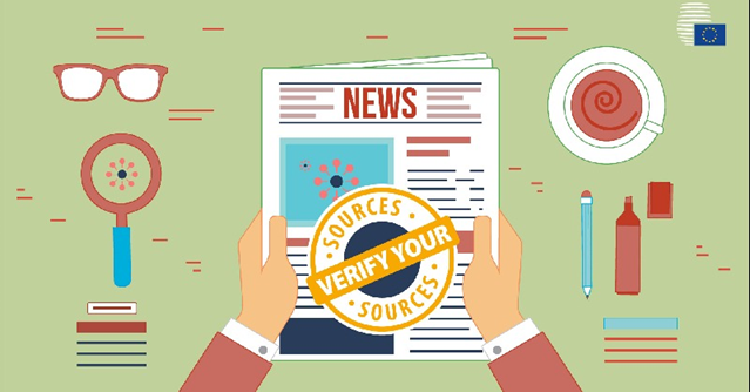
This is the first in a series of reading lists that are intended to provide an overview of disinformation research for those of you who either work in policy areas impacted by ongoing disinformation campaigns, or who are being exposed to disinformation in the information and communication media, and that aim to help build resilience by extending your knowledge of the topic.
When researching disinformation, it is likely that a considerable amount of time will be spent disentangling one's findings from their intrinsic ambiguity, the confusion surrounding the concept of disinformation in the media and in informal speech, and the misuse of the term even among specialists. More recently, popular terms such as 'fake news' have contributed to the confusion amid accusations of political bias, journalistic partisanship and modern political propaganda.
This reading list will serve as an introduction to the complicated concept of disinformation. As a point of departure, in carrying out research for this reading list we have looked at disinformation as both an activity itself and as the product of that activity. This list includes an overview of discussions on key concepts such as master narratives, misinformation and Russian active measures, so as to help clarify what disinformation is and how to distinguish it successfully from its false friends.
This list is not exhaustive. Additional materials can be found in Eureka, the online catalogue of the Council libraries.
This post does not necessarily represent the positions, policies, or opinions of the Council of the European Union or the European Council.
The Council library reading room is currently closed. The Info Desk remains open on-line and will reply to queries by email from Monday to Friday, from 10.00 to 16.00.
