Explainers
Refine results
- 447 results
Common fisheries policy and its goals
EU member states have defined common rules, via the EU's common fisheries policy, to manage fish resources sustainably and provide food to people.

How fishing catch limits and quotas are set
On a yearly basis, EU countries agree on how much fish can be caught in EU waters or by EU vessels in other waters. The Council is the sole legislator on this matter.

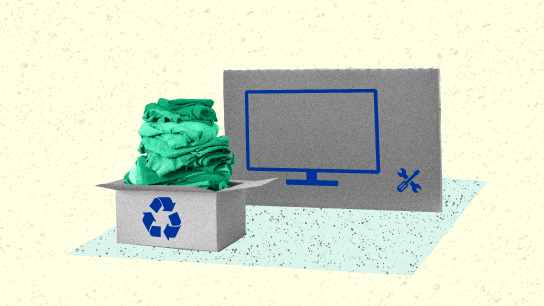
The circular economy explained
The Earth's resources are not infinite. The circular economy makes the use of products and materials more sustainable and offers the EU an opportunity to become more competitive.

Food safety and health
EU rules on food safety aim to protect consumers while guaranteeing the smooth functioning of the single market.

Space, security and defence
The EU recognises the strategic nature of space and that space is key for the EU’s freedom of action and autonomous decision-making in security and defence.

How nature helps fight climate change
Healthy nature and soils are important not only for biodiversity, but also for the capture of CO2 emissions and resilience to climate change. That is why the EU is working to protect ecosystems and natural habitats.

Wastewater treatment
Treating wastewater properly is necessary to ensure good water quality. The EU has introduced new rules to better protect people and the environment.

Conference on the Future of Europe
Following a series of citizens-led debates held over the course of a year, the Council has been acting on citizens' recommendations and proposals to help shape the future of Europe.

The EU's response to terrorism
Fighting terrorism is a top priority for the EU. Member states work closely together to prevent terrorist attacks and ensure the security of citizens.

Ecodesign requirements for more sustainable products
EU ecodesign rules make products placed on the EU market more environmentally sustainable, energy-efficient, durable and circular.