European Council
The European Council is the EU institution that defines the general political direction and priorities of the European Union.
Latest
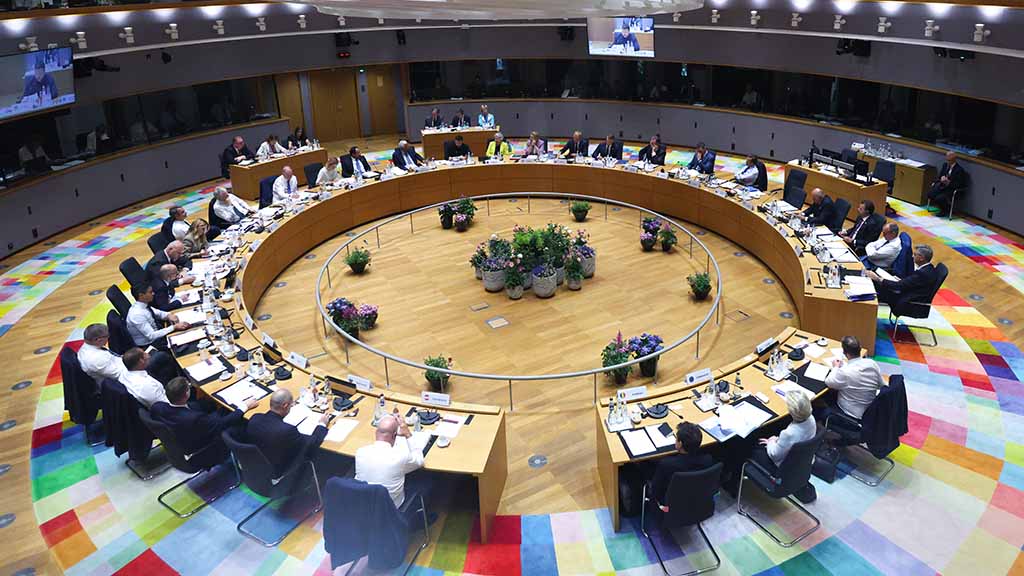
- 19 June 2026
EU leaders tackle key issues for Europe's future
At the EU summit, leaders discussed key issues such as continued support for Ukraine, the situation in the Middle East, competitiveness and global economic challenges as well as the next MFF.
Members of the European Council
The members of the European Council are the heads of state or government of the 27 EU member states, the European Council President and the President of the European Commission.

António Costa
European Council

Christian Stocker
Austria

Bart De Wever
Belgium

Rumen Radev
Bulgaria

Andrej Plenković
Croatia

Nikos Christodoulides
Cyprus

Andrej Babiš
Czech Republic

Mette Frederiksen
Denmark

Kristen Michal
Estonia

Petteri Orpo
Finland

Emmanuel Macron
France

Friedrich Merz
Germany

Kyriakos Mitsotakis
Greece

Péter Magyar
Hungary

Micheál Martin
Ireland
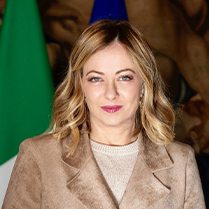
Giorgia Meloni
Italy

Andris Kulbergs
Latvia

Gitanas Nausėda
Lithuania

Luc Frieden
Luxembourg

Robert Abela
Malta

Rob Jetten
Netherlands

Donald Tusk
Poland

Luís Montenegro
Portugal

Nicușor Dan
Romania

Robert Fico
Slovakia

Janez Janša
Slovenia

Pedro Sánchez
Spain

Ulf Kristersson
Sweden

Ursula von der Leyen
European Commission
About the European Council
The European Council defines the EU's overall political direction and priorities, traditionally by adopting conclusions. It does not negotiate or adopt EU laws.

European Council conclusions

António Costa, President of the European Council

Role in nominations and appointments

How the European Council works

EU strategic agenda 2024-2029

Euro Summit

International summits

Former presidents
History
-
1974
9 DecemberThe European Council was created as an informal forum for discussion between heads of state or government of the EU member states.
-
1992
7 FebruaryUnder the Treaty of Maastricht, the European Council acquired a formal status and role to provide the impetus and general political guidelines for the EU.
-
2009
1 DecemberThe European Council became one of the seven EU institutions, following the changes introduced by the Lisbon Treaty.
