Explainers
Refine results
26 results
Syria
The EU stands with the Syrian people. It supports a peaceful and inclusive transition in Syria, the respect for human rights and the country’s socio-economic recovery.

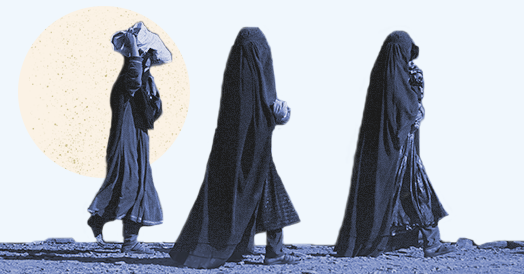
Afghanistan
The EU stands with the people of Afghanistan and is committed to supporting Afghan women's rights and the development of a stable, peaceful and prosperous Afghanistan.
How the EU responds to crises and builds resilience
The EU is working on various fronts to improve its ability to respond to crises and to enhance its resilience to future challenges.

Internal market emergency and resilience act
The newly-named internal market emergency and resilience act (IMERA), formerly known as the single market emergency instrument (SMEI), is designed to ensure that the EU is better prepared for and more resilient to future crises.

Why the EU adopts sanctions
Sanctions are an instrument to prevent conflict or respond to emerging or current crises, and to promote peace, democracy, respect for the rule of law, human rights and international law.

How the IPCR crisis response mechanism works
The integrated political crisis response (IPCR) arrangements is one the EU's crisis response mechanisms. The presidency of the Council can use it coordinate the political response to major and complex crisis, including terrorist acts.
