Explainers
Refine results
- 20 results
Biodiversity
Biodiversity is declining at alarming rates. EU countries are committed to restoring nature and preserving its biological diversity.
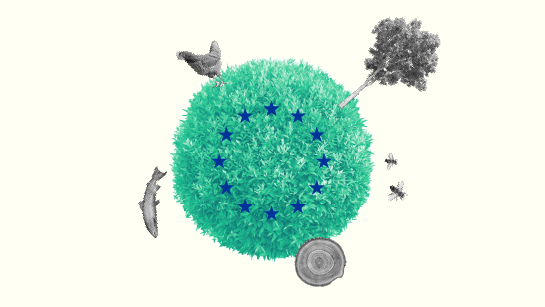
Common fisheries policy and its goals
EU member states have defined common rules, via the EU's common fisheries policy, to manage fish resources sustainably and provide food to people.

The circular economy explained
The Earth's resources are not infinite. The circular economy makes the use of products and materials more sustainable and offers the EU an opportunity to become more competitive.

How nature helps fight climate change
Healthy nature and soils are important not only for biodiversity, but also for the capture of CO2 emissions and resilience to climate change. That is why the EU is working to protect ecosystems and natural habitats.

Nature protection
The EU rules on nature protection aim to safeguard species and their habitats. Natura 2000 is the largest coordinated network of protected areas globally.

Environmental crime
Environmental crime is one of the world’s most profitable organised criminal activities, and has a major impact not only on the environment, but also on human health.

What is the state of nature in the EU?
How is nature in the EU doing? What species and habitats are in the worst conservation conditions?

8 ways life in the EU is becoming greener
EU rules to lower the EU's carbon footprint will reshape the way we live, work and travel. Here are some examples of what life in the EU will look like in 2030.

Fit for 55: reaching climate goals in the land use and forestry sectors
The LULUCF rules address the carbon footprint of activities related to the conversion, use and management of land and forests for both human and environmental benefits.

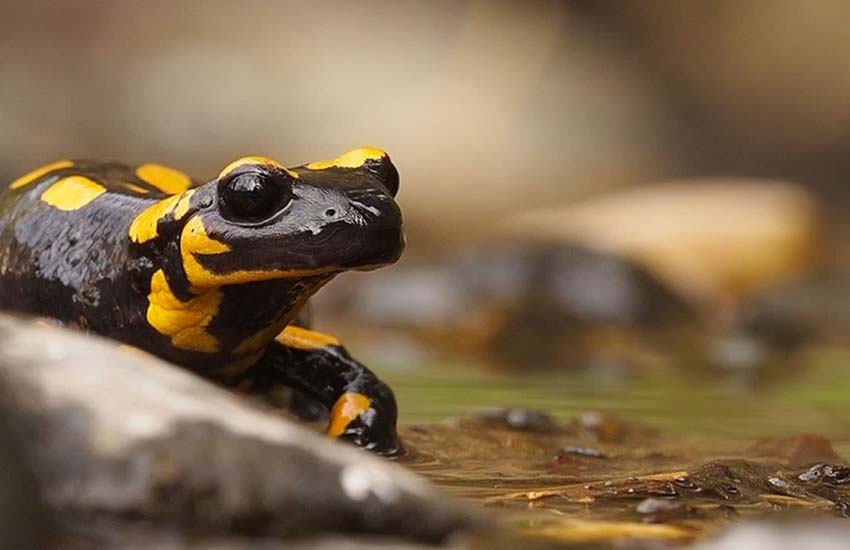
Why salamanders are important to you: 30 years of nature protection in Europe
Find out how with the habitats directive, the EU has been safeguarding salamanders and hundreds of other animal species, plants and natural areas since 1992.