Solidarity measures to support Ukraine and sanctions against Russia
Highlights
- 12 October 2026
Russia: new EU sanctions target nearly 1 600 individuals and entities
Russia: new EU sanctions target nearly 1 600 individuals and entities
The EU has sanctioned an additional 826 companies belonging to Russia's military-industrial complex and 743 individuals serving as CEOs of these companies. Those sanctioned are involved in supplying key components to some of Russia’s most advanced weapons systems, including missiles, drones and aircraft.
- 12 October 2026
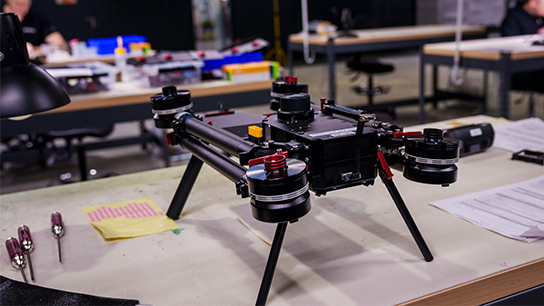
Council adopts programme for agile and rapid defence innovation
Council adopts programme for agile and rapid defence innovation

- 12 October 2026
COP31 and COP17: EU sets out its negotiating priorities
COP31 and COP17: EU sets out its negotiating priorities
- 12 October 2026
EU adopts sanctions over illegal 'elections' in Ukraine's temporarily occupied territories
EU adopts sanctions over illegal 'elections' in Ukraine's temporarily occupied territories

- 12 October 2026
Council establishes the EU Support Mission in Lebanon
Council establishes the EU Support Mission in Lebanon
Press releases
- Enlargement: EU and Montenegro close accession negotiations in the areas of economic and monetary policy, statistics, and social policy and employment
- Media advisory - General Affairs Council and accession conferences with Albania, the Republic of Moldova and Ukraine of 13 October 2026
- EU-UK summit to take place in Brussels on 20 November
In focus

Lebanon
Lebanon

EU sanctions against Russia: questions and answers
EU sanctions against Russia: questions and answers
European defence readiness
European defence readiness
Explore popular topics
Competitive and autonomous industries, reducing dependencies
Trade relations with partners worldwide
Candidate countries and the process of joining the EU
Responding to conflicts and crises, protecting citizens
Free movement of goods, services, capital and people in the EU
Securing a sustainable and affordable energy supply
EU relations with the countries of the Middle East and North Africa
Net-zero economy and fighting against climate change
The Council presidency
The member states take it in turn to chair Council meetings for six months. Ireland currently holds the Council presidency and will do so until 31 December 2026.

About the Council
The Council refers to two different EU institutions: the European Council, and the Council of the EU. They have very different roles and membership, although they have similar names and share the same staff.
The European Council
The European Council consists of the heads of state or government of the EU's member states, together with its President and the European Commission President. It defines the EU's general political directions and priorities.

The Council of the EU
The Council of the EU represents the member states' governments. Informally also known as the EU Council, it is where national ministers from each EU country meet to adopt laws and coordinate policies.
