Paris Agreement on climate change
The Paris Agreement aims to limit global warming and fight climate change. All EU countries have ratified the agreement.
What is the Paris Agreement?
The Paris Agreement is an international treaty which legally binds its signatories to act to fight climate change.
For the first time ever, in 2015, governments jointly agreed on a major collective effort to limit global warming and address its impacts.
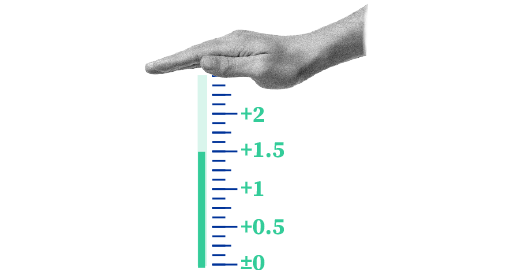
Keep global warming below 1.5°C

Tackle the effects of climate change
The agreement entered into force on 4 November 2016, when the condition of ratification by at least 55 countries accounting for at least 55% of global greenhouse gas emissions had been met.
It outlined an action plan to limit global warming.
Key points of the Paris Agreement
Long-term goal
Global average temperature increase should not exceed 1.5°C by the end of the century.
Transparency
Countries report to each other and the public on how well they are doing in reaching their targets, in order to ensure transparency and oversight.
Contributions
Countries commit to climate action by submitting climate action plans to reduce their emissions.
Solidarity
Climate finance is needed to help vulnerable countries to both reduce emissions and build resilience to climate change.
Ambition
Governments communicate their action plans every five years – each plan setting more ambitious targets.
UNFCCC: the global climate convention
The United Nations Framework Convention on Climate Change (UNFCCC) is the main international agreement on climate action. It was during a meeting of the parties to the UNFCCC in 2015 that countries adopted the Paris Agreement.
The UNFCCC is one of the three conventions that were adopted at the Rio Earth Summit in 1992, when the international community recognised the need to act collectively to protect people and the environment and to contain greenhouse gas emissions.
It has been ratified by almost every country in the world.
In 1997, the UNFCCC signatories concluded the Kyoto Protocol, which introduced the first-ever legally binding emissions reduction target for developed countries, which expired in 2020.
Through the Paris Agreement, countries renewed their commitment to climate action and agreed on new goals to accelerate efforts to limit global warming.
The EU and the Paris Agreement
The EU and all its member states have signed and ratified the Paris Agreement and are strongly committed to its implementation.
By ratifying the agreement, the EU and its countries are legally bound by its goal of keeping global temperatures within safe limits.
To reach this goal, the EU has, amongst other things, launched the European Green Deal strategy, which puts in place measures and rules to drastically cut emissions and transform its economy to become climate-neutral by 2050.
In October 2025 the Council approved the conclusions on the EU's preparations for the 30th Conference of the Parties (COP30) to the UN Framework Convention on Climate Change (UNFCCC), taking place from 10 to 21 November 2025 in Belém, Brazil.
The conclusions outline the EU’s key priorities and positions for the conference, focusing on the urgent need for global climate action and collaboration.
On 5 November, the Council approved an updated nationally determined contribution (NDC) of the EU and its member states, to be submitted to the UNFCCC ahead of COP30. The NDC covers the period up to 2035.
The updated NDC reiterates the EU's goal of achieving a net reduction of 55% in greenhouse gas emissions by 2030 and introduces an indicative contribution of 66.25% to 72.5% for 2035 on the path towards carbon neutrality by 2050.
- Paris Agreement: the EU submits its updated NDC with an indicative target for 2035 to the UN ahead of COP30 (press release, 5 November 2025)
- COP30: Council sets EU position for the climate conference in Belém (press release, 21 October 2025)
The EU’s climate ambition puts it at the forefront of the fight against climate change. Its bold policies and actions make it a global standard-setter and help drive climate ambition worldwide.
5 facts about the EU's goal of climate neutrality
Fighting climate change is imperative for the future of Europe and the world. The European climate law set down in legislation the EU’s objective of becoming climate-neutral by 2050. This goal followed the commitment made by the EU and its member states on signing the Paris Agreement in 2015.
What does climate neutrality mean and how does the EU plan to achieve this goal?

The role of the Council in the Paris Agreement
Every year, the parties to the UNFCCC meet at the conference of the parties (COP) to review and discuss progress made with regard to the convention and on related agreements and their implementation.
The EU and its member states are parties to both the UNFCCC and the Paris Agreement. They attend the COP annually and take part in the negotiations set by the climate convention to agree on updated or new rules within the global agreements.
The presidency of the Council, together with the European Commission, lead the EU’s delegation at the COP. The president of the European Council may also attend the conference.
In these fora, the EU speaks with one voice. The Council of the EU approves Council conclusions, ahead of the international meeting, aimed at agreeing on the EU’s general negotiating position for the climate negotiations.

See also

Global climate action

Climate change: what the EU is doing

European Green Deal
Last review: 5 November 2025