Explainers
Refine results
- 27 results
Better regulation
Better regulation is a system of actions, decision-making processes, commitments and safeguards that the EU has set up to ensure that the quality of EU legislation is constantly improving so that it can respond better to the needs of its citizens and businesses.

How EU treaties shaped the Council of the EU and the European Council
The European Union is based on international treaties agreed by all EU countries. Over time, these treaties have progressively defined the roles and responsibilities of the Council of the EU and the European Council.

Shaping the EU as we know it: the Lisbon Treaty
The treaty introduced changes like recognising the European Council as an EU institution, creating an EU diplomatic service and modernising law-making.

How Maastricht changed Europe
The Maastricht Treaty established the European Union, paved the way for the euro and created EU citizenship.
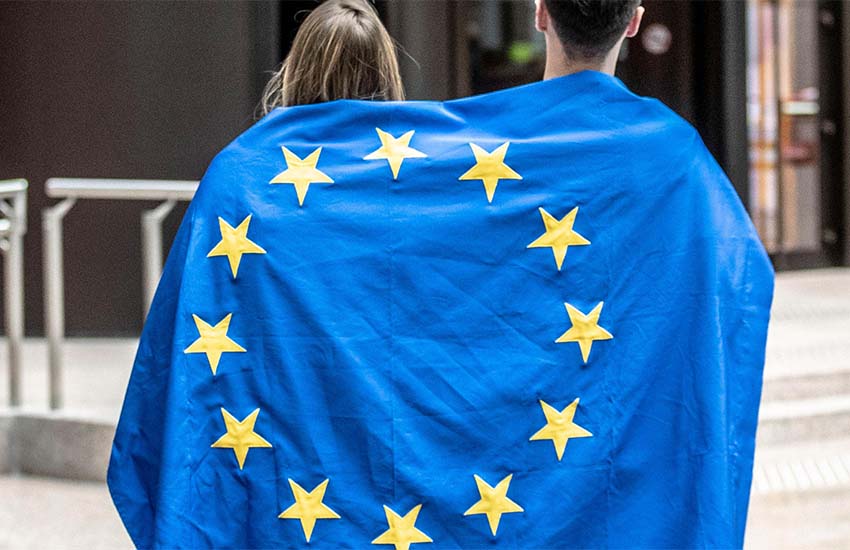
Internal reforms of the EU
The EU needs to work on reforms related to values, policies, budget and governance to become fit for the future and to prepare for an enlarged union.

The European Union flag
The EU flag is the most recognisable symbol of the European Union. It represents not just the Union, but also the shared identity and unity of Europe. It stands for cooperation, solidarity and harmony among Europeans.

The Schuman Declaration - Where the EU was born
On 9 May 1950, the foundation of the EU was laid in the Schuman Declaration. Its two core principles: peace and solidarity.

The European Council conclusions in figures
Discover how the topics and length of the conclusions have changed between 1975 and 2024 – over 50 years of the European Council’s existence.

EU ethics body
An independent body to set common ethical standards and increase transparency across the EU institutions.

What does holding the presidency of the Council of the EU mean?
What does holding the presidency of the Council of the EU mean?

