Explainers
Refine results
- 19 results
Sanctions against terrorism
The EU has imposed sanctions against individuals, groups and entities involved in terrorist acts, including ISIL/Da'esh, Al-Qaida, Hamas and the Palestinian Islamic Jihad.

Sanctions against Myanmar
Following the military coup on 1 February 2021, and the subsequent military and police repression against peaceful demonstrators, the EU has drastically increased sanctions against Myanmar.

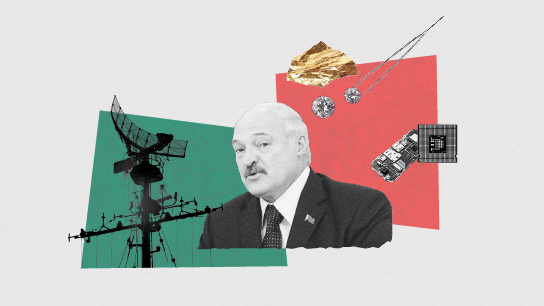
EU sanctions against Belarus
The EU has imposed extensive sanctions against Belarus in response to human rights abuses, Belarus' support for Russia's war against Ukraine, and its hybrid attacks against the EU.
Ending Russian energy imports
The EU is taking action to end Russian energy imports and reduce its energy dependency, while maintaining stable energy supplies and prices across Europe.

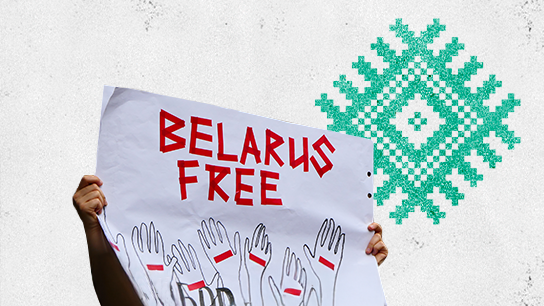
Belarus
The EU stands in support of the Belarusian people. It condemns human rights abuses in Belarus, Belarus' hybrid attacks against the EU and its involvement in Russia's war of aggression against Ukraine.
Iran's nuclear agreement
The Joint Comprehensive Plan of Action (JCPOA) agreement aims to ensure that Iran's nuclear programme will be exclusively peaceful. It lays down the timeline and arrangements for the lifting of nuclear-related sanctions against Iran.

EU sanctions against North Korea
The EU has imposed sanctions against the Democratic People's Republic of Korea in response to its nuclear- and ballistic missile-related activities and its military support for Russia's war of aggression against Ukraine.

Why the EU adopts sanctions
Sanctions are an instrument to prevent conflict or respond to emerging or current crises, and to promote peace, democracy, respect for the rule of law, human rights and international law.

How the EU adopts and reviews sanctions
Decisions and regulations on sanctions are adopted by the Council of the EU by unanimity. EU sanctions apply within the jurisdiction of the EU.

