Russia's war against Ukraine
Find out how the EU is supporting Ukraine and what measures the EU has taken against Russia.
The European Union has from the very beginning stood by Ukraine as it exercises its inherent right to self-defence against Russia's full-scale war of aggression.
The EU has adopted unprecedented sanctions against Russia, while supporting Ukraine's economy, armed forces and society.

A comprehensive, just and lasting peace
The EU has repeatedly affirmed its continued and unwavering support for Ukraine's independence, sovereignty and territorial integrity within its internationally recognised borders.
The EU supports a comprehensive, just and lasting peace in Ukraine based on the principles of the UN Charter and international law and underpinned by robust and credible security guarantees for Ukraine. Borders must not be changed by force.
The EU supports diplomatic efforts to put an end to the war and stands ready to step up its engagement in that context. It urges Russia to agree to a full, unconditional and immediate ceasefire and to engage in meaningful negotiations.
Solidarity with Ukraine
The EU and its member states are Ukraine’s biggest provider of financial, economic, military and humanitarian support. €220.3 billion have been provided so far, including:
- €107 billion provided from or guaranteed by the EU budget
- €77 billion in military assistance measures
- €17 billion in support for refugees within the EU
- €15.5 billion in support from EU member states
- €3.8 billion in proceeds from immobilised Russian assets
EU measures to support Ukraine


Sanctions against Russia
The EU has imposed individual and economic sanctions on Russia, as well as diplomatic measures and visa restrictions.
The measures are designed to weaken Russia's economic base, depriving it of critical technologies and markets and significantly curtailing its ability to wage war.
Latest sanctions adopted
-
2026
23 July21st package
Port access ban for 41 more vessels in Russia's shadow fleet, ban on transactions with 33 additional Russian credit and financial institutions and 4 banks in non-EU countries. Sanctions on 218 individuals and entities.
-
2026
23 April20th package
Port access ban on more vessels in Russia's shadow fleet, ban on transactions with 20 Russian banks and on transactions in the RUBx crypto currency. Sanctions on 120 individuals and entities.
-
2025
23 October19th package
A ban on imports of Russian liquefied natural gas (LNG), a port access ban on more vessels in Putin's shadow fleet and a ban on transactions with additional banks. Sanctions on 69 individuals.
Countries supporting Russia's war
The EU has also adopted sanctions against Belarus, Iran and North Korea in response to their military support for Russia.
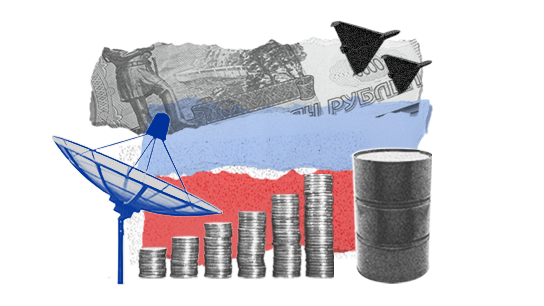
Impact of Russia's war on global markets
Russia's war has had a disruptive effect on global markets. Energy and food prices skyrocketed in 2022, creating uncertainty for businesses and consumers.
EU countries have been swift and united in mitigating the war's impact, protecting citizens and the economy.
Latest news
- Statement by the High Representative on behalf of the EU on the alignment of certain countries concerning restrictive measures in view of Iran’s military support to Russia’s war of aggression against Ukraine and to armed groups and entities in the Middle East and the Red Sea region
- Russia’s war of aggression against Ukraine: EU lists five additional individuals supporting Russia’s military-industrial complex
- Statement by the High Representative on behalf of the EU on the alignment of certain countries concerning restrictive measures in respect of actions undermining or threatening the territorial integrity, sovereignty and independence of Ukraine
Latest explainers

Ukraine: an investment in Europe's future

EU military support for Ukraine

EU solidarity with Ukraine
Last review: 14 August 2026