Sanctions
Find out why and how the EU adopts sanctions, and where in the world sanctions apply.
The EU uses sanctions to promote peace, support democracy and human rights, and defend international law.
Sanctions are not punitive and do not target a country or population. They seek to bring about a change in the policy or conduct of those targeted.

Sanctions explained
Sanctions are an EU instrument designed to respond to global challenges and developments that go against its objectives and values.

Sanctions include arms embargos, travel bans, asset freezes, trade bans, economic and financial restrictions, and diplomatic measures.
There are three types of sanctions regimes the EU can implement: UN sanctions, EU/UN sanctions and EU autonomous sanctions.
Decisions and regulations on sanctions are adopted by the Council of the EU by unanimity and apply within the jurisdiction of the EU.
Where do sanctions apply?
The majority of EU sanctions regimes are adopted in view of a specific situation in a given country.
For example, sanctions have been imposed in the light of the situation in Russia, Belarus, Iran, North Korea, Syria, the Democratic Republic of Congo and Venezuela.
Hover over the map for more information.
Countries where a sanctions regime applies:
- Afghanistan
- Belarus
- Bosnia & Herzegovina
- Burundi
- Central African Republic
- Democratic Republic of the Congo
- Guatemala
- Guinea
- Guinea-Bissau
- Haiti
- Iran
- Iraq
- Lebanon
- Libya
- Mali
- Moldova
- Myanmar/Burma
- Nicaragua
- Niger
- North Korea
- Russia
- Somalia
- South Sudan
- Sudan
- Syria
- Tunisia
- Türkiye
- Ukraine
- Venezuela
- Yemen
- Zimbabwe
Countries in focus

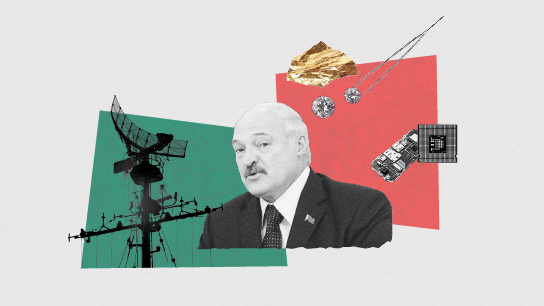

Thematic sanctions
The EU also adopts thematic sanctions regimes, targeting those responsible for, involved in or associated with specific types of action.

Sanctions related to serious human rights violations and abuses worldwide. They apply to acts such as genocide, crimes against humanity and torture.
Sanctions targeting individuals, groups and entities involved in terrorist acts. They were introduced in the wake of the terrorist attacks on 11 September 2001.

Sanctions contributing to the EU's efforts to counter the proliferation and use of chemical weapons and support the Chemical Weapons Convention.
Sanctions targeting those responsible for cyber-attacks or attempted cyber-attacks and those who provide financial, technical or material support for such attacks.
Latest news
- DPRK: Council adds three individuals and four entities to sanctions lists over nuclear, missile programmes and Russia ties
- Russia’s war of aggression against Ukraine: EU agrees largest-ever package of listings targeting almost 1600 individuals and entities in Russia’s military-industrial complex
- Ukraine’s territorial integrity: Council lists 77 individuals over the illegal Russian State Duma 'elections' in the temporarily occupied territories of Ukraine
Latest explainers

How the EU adopts and reviews sanctions

Types of sanctions the EU adopts

EU sanctions against North Korea
Last review: 12 October 2026
