"Utilizăm cookie-uri pentru a vă îmbunătățiți experiența de navigare. Cookie-urile necesare au rolul de a susține funcții esențiale ale site-ului Consiliului. Cookie-urile opționale ne ajută să realizăm rapoarte statistice anonime și agregate pentru a răspunde mai bine nevoilor dvs.
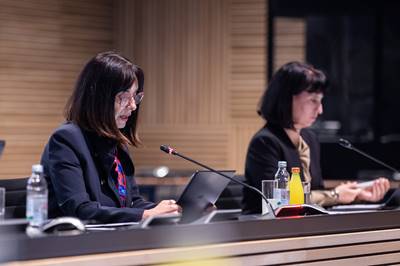
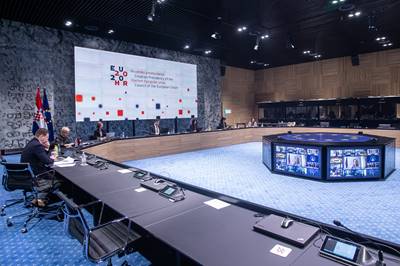
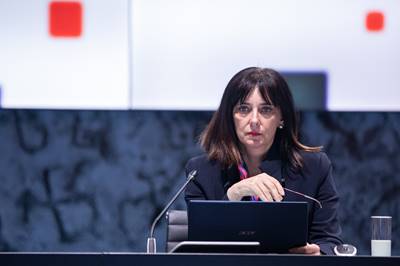
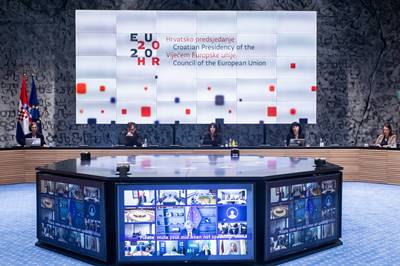
Videoconferința miniștrilor responsabili de spațiu, 29 mai 2020
Puncte importante de pe ordinea de zi
Miniștrii responsabili de politica spațială vor discuta despre rolul datelor, serviciilor și tehnologiei spațiale pentru a stimula o redresare economică verde și durabilă în urma crizei generate de COVID-19.
Chiar și în condițiile în care Europa se confruntă cu dificultățile generate de pandemia de COVID-19 cauzată de coronavirus, tranziția către o economie durabilă și neutră din punct de vedere climatic rămâne prioritară. În foaia de parcurs comună pentru redresare, prezentată la 21 aprilie de președintele Consiliului European, Charles Michel, și de președinta Comisiei Europene, Ursula von der Leyen, tranziția verde a fost identificată drept un domeniu esențial pentru investiții.
Tehnologiile spațiale sunt fundamentale pentru a face față provocărilor pe care le presupune această tranziție verde. În plus, sectorul spațial oferă ocazii de creștere economică și sprijină competitivitatea și reziliența UE.
În acest context, miniștrii vor face schimb de opinii despre:
utilizarea datelor și a serviciilor spațiale ale UE pentru a stimula redresarea verde
rolul tehnologiei și al infrastructurii spațiale pentru dezvoltarea durabilă
Space technologies are playing a crucial role in bringing solutions and enabling our societies to fight the current and any further crisis. They are a valuable tool in our efforts to promote a more resilient and sustainable development of our societies. We will provide the space sector with adequate financing and human resources in order to safeguard Europe's sovereignty in space.
Blaženka Divjak, Croatian minister of science and education
The exchange of views was structured around the following questions :
How to integrate the use of EU space data and services by public authorities to foster green recovery after the COVID-19 crisis?
In what way space systems and infrastructure can help in moving faster toward a sustainable development path?
It was broadly acknowledged that the space sector is of great benefit to the EU's societal and economic needs, as well as to the green transition. Investments in space not only generate considerable economic returns but tend to have an important impact on our societies, by providing the tools for evidence-based and efficient policymaking.
It was stressed that even as Europe is facing unprecedented challenges with the ongoing crisis, the transition to a sustainable and climate-neutral EU economy remains a priority. Space-based technologies can offer solutions in the recovery phase and in building a more resilient society for the future. They provide the tools to respond to numerous challenges, such as the depletion of natural resources, climate change, efficient road traffic management, agricultural efficiency and maritime navigation.
At the end of the meeting, the representative of Germany presented the priorities of the upcoming German presidency of the Council in the field of space for the second half of 2020. These include the adoption of the new space programme and the definition of key principles for the global space economy.
At the end of the video conference, the Croatian presidency issued a press release.
Acreditarea de presă pentru summiturile internaționale desfășurate în afara Uniunii Europene va fi gestionată de autoritățile guvernamentale din țara-gazdă.
 Space technologies are playing a crucial role in bringing solutions and enabling our societies to fight the current and any further crisis. They are a valuable tool in our efforts to promote a more resilient and sustainable development of our societies. We will provide the space sector with adequate financing and human resources in order to safeguard Europe's sovereignty in space.