"Böngészési élményének javítása érdekében sütiket használunk. A szükséges sütik feladata, hogy támogassák a Tanács honlapjának alapvető funkcióit. Az opcionális sütik segítségével anonim és összesített statisztikai kimutatásokat készítünk annak érdekében, hogy a honlap még inkább megfeleljen a felhasználók igényeinek.
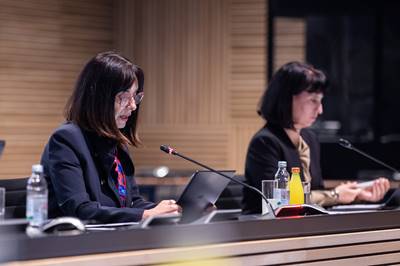
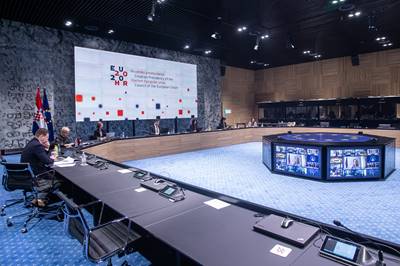
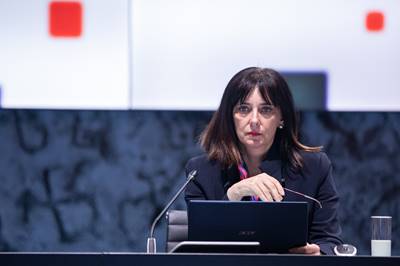
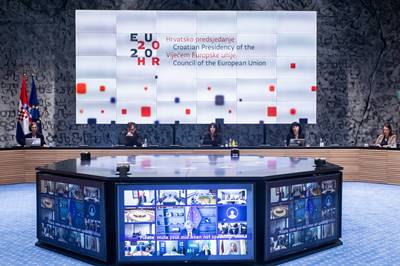
Az űrpolitikáért felelős miniszterek videokonferenciája, 2020. május 29.
Főbb napirendi pontok
Az űrpolitikáért felelős miniszterek megvitatják majd, hogy az űradatok, -szolgáltatások és -technológiák miként segíthetik elő azt, hogy a Covid19-válságot követő gazdasági talpra állás környezetbarát és fenntartható módon történjen.
Noha Európának most elsősorban a Covid19-világjárvány nyomán felmerült kihívásokkal kell megküzdenie, továbbra is kiemelt cél a fenntartható és klímasemleges gazdaságra való áttérés megvalósítása. Az Európai Tanács elnöke, Charles Michel és az Európai Bizottság elnöke, Ursula von der Leyen által április 21-én előterjesztett, a fellendülést szolgáló közös ütemterv kiemelt beruházási területként említi a zöld átállást.
Az űrtechnológiák központi szerepet töltenek be a zöld átálláshoz kapcsolódó kihívások kezelése terén. Mindemellett az űripar lehetőségeket kínál a gazdasági növekedés számára és támogatja az EU versenyképességét és rezilienciáját is.
Ezzel összefüggésben a miniszterek véleménycserét fognak folytatni az alábbiakról:
az uniós űradatok és -szolgáltatások felhasználása a zöld fellendülés elősegítése céljából
az űrtechnológia és az űrinfrastruktúra szerepe a fenntartható fejlődésben
Space technologies are playing a crucial role in bringing solutions and enabling our societies to fight the current and any further crisis. They are a valuable tool in our efforts to promote a more resilient and sustainable development of our societies. We will provide the space sector with adequate financing and human resources in order to safeguard Europe's sovereignty in space.
Blaženka Divjak, Croatian minister of science and education
The exchange of views was structured around the following questions :
How to integrate the use of EU space data and services by public authorities to foster green recovery after the COVID-19 crisis?
In what way space systems and infrastructure can help in moving faster toward a sustainable development path?
It was broadly acknowledged that the space sector is of great benefit to the EU's societal and economic needs, as well as to the green transition. Investments in space not only generate considerable economic returns but tend to have an important impact on our societies, by providing the tools for evidence-based and efficient policymaking.
It was stressed that even as Europe is facing unprecedented challenges with the ongoing crisis, the transition to a sustainable and climate-neutral EU economy remains a priority. Space-based technologies can offer solutions in the recovery phase and in building a more resilient society for the future. They provide the tools to respond to numerous challenges, such as the depletion of natural resources, climate change, efficient road traffic management, agricultural efficiency and maritime navigation.
At the end of the meeting, the representative of Germany presented the priorities of the upcoming German presidency of the Council in the field of space for the second half of 2020. These include the adoption of the new space programme and the definition of key principles for the global space economy.
At the end of the video conference, the Croatian presidency issued a press release.
 Space technologies are playing a crucial role in bringing solutions and enabling our societies to fight the current and any further crisis. They are a valuable tool in our efforts to promote a more resilient and sustainable development of our societies. We will provide the space sector with adequate financing and human resources in order to safeguard Europe's sovereignty in space.