"Wir verwenden Cookies, um Ihr Nutzererlebnis zu verbessern. Notwendige Cookies sind für die wesentlichen Funktionen der Website des Rates erforderlich. Optionale Cookies helfen uns, anonyme und aggregierte Statistiken zu erheben, um besser Ihren Bedürfnissen zu entsprechen.
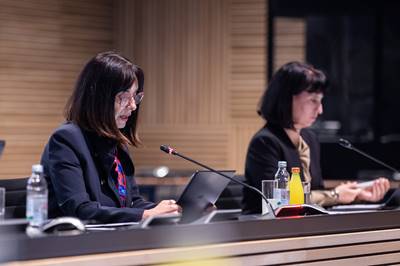
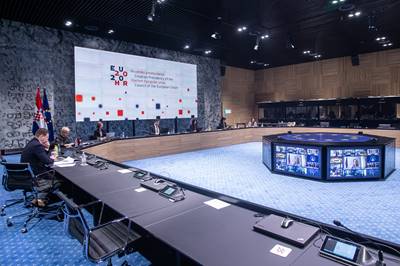
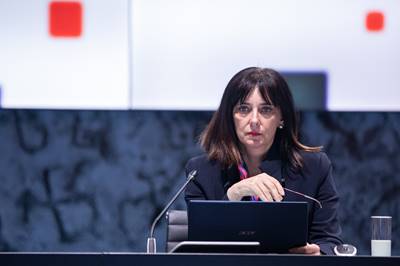
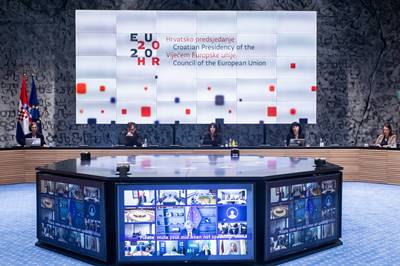
Videokonferenz auf Ministerebene „Raumfahrt“, 29. Mai 2020
Wichtigste Tagesordnungspunkte
Die für Raumfahrtpolitik zuständigen Ministerinnen und Minister werden die Nutzung von Weltraumdaten, ‑dienstleistungen und ‑technologien zur Förderung einer grünen und nachhaltigen wirtschaftlichen Erholung nach der COVID‑19-Krise erörtern.
Auch im Angesicht der Herausforderungen, die sich aufgrund der COVID‑19-Pandemie für Europa stellen, ist der Übergang zu einer nachhaltigen und klimaneutralen Wirtschaft nach wie vor eine Priorität. Der Übergang zu einer grünen Wirtschaft wurde in dem gemeinsamen Fahrplan für die Erholung nach der Pandemie, der am 21. April vom Präsidenten des Europäischen Rates Charles Michel und der Präsidentin der Europäischen Kommission Ursula von der Leyen vorgestellt wurde, als Schlüsselbereich für Investitionen genannt.
Raumfahrttechnologie ist ein zentraler Faktor für die Bewältigung der Herausforderungen dieses grünen Wandels. Darüber hinaus bietet der Raumfahrtsektor Chancen für Wirtschaftswachstum und unterstützt die Wettbewerbsfähigkeit und Widerstandsfähigkeit der EU.
In diesem Zusammenhang werden die Ministerinnen und Minister einen Gedankenaustausch über Folgendes führen:
die Nutzung von EU-Weltraumdaten und ‑dienstleistungen zur Förderung einer grünen Erholung nach der Pandemie
die Rolle der Raumfahrttechnologie und ‑infrastruktur für eine nachhaltige Entwicklung
Space technologies are playing a crucial role in bringing solutions and enabling our societies to fight the current and any further crisis. They are a valuable tool in our efforts to promote a more resilient and sustainable development of our societies. We will provide the space sector with adequate financing and human resources in order to safeguard Europe's sovereignty in space.
Blaženka Divjak, Croatian minister of science and education
The exchange of views was structured around the following questions :
How to integrate the use of EU space data and services by public authorities to foster green recovery after the COVID-19 crisis?
In what way space systems and infrastructure can help in moving faster toward a sustainable development path?
It was broadly acknowledged that the space sector is of great benefit to the EU's societal and economic needs, as well as to the green transition. Investments in space not only generate considerable economic returns but tend to have an important impact on our societies, by providing the tools for evidence-based and efficient policymaking.
It was stressed that even as Europe is facing unprecedented challenges with the ongoing crisis, the transition to a sustainable and climate-neutral EU economy remains a priority. Space-based technologies can offer solutions in the recovery phase and in building a more resilient society for the future. They provide the tools to respond to numerous challenges, such as the depletion of natural resources, climate change, efficient road traffic management, agricultural efficiency and maritime navigation.
At the end of the meeting, the representative of Germany presented the priorities of the upcoming German presidency of the Council in the field of space for the second half of 2020. These include the adoption of the new space programme and the definition of key principles for the global space economy.
At the end of the video conference, the Croatian presidency issued a press release.
Die Medienakkreditierung für internationale Gipfeltreffen, die außerhalb der Europäischen Union stattfinden, wird von den Regierungsbehörden des Gastgeberlandes gehandhabt.
 Space technologies are playing a crucial role in bringing solutions and enabling our societies to fight the current and any further crisis. They are a valuable tool in our efforts to promote a more resilient and sustainable development of our societies. We will provide the space sector with adequate financing and human resources in order to safeguard Europe's sovereignty in space.