Pollution
Find out what measures the EU takes to reduce pollution and protect human health and the environment.
One in eight deaths in Europe is linked to pollution. Pollution is also one of the main causes of biodiversity loss.
The EU aims to reduce air, water and soil pollution to levels which are harmless to human health and nature by 2050.

How the EU tackles pollution
Since the 1990s EU environmental policy has been based on the principles of prevention. This means avoiding pollution in the first place, and polluters paying if they cause damage to the environment.
Rules are in place to lower pollution by tackling it at source and to set down concrete measures across several sectors.

EU rules set quality standards for ambient air and fix strict limits for air pollutants.
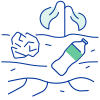
The 2030 soil strategy sets out measures to protect and restore soils and ensure that they are used sustainably.

EU rules ensure that waste is managed in an environmentally sound manner, minimising pollution from waste.

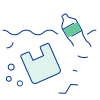
Measures to reduce plastic pollution include a ban on certain types of plastic packaging and single-use items.
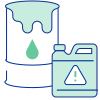
Rules aim to minimise the risk from toxic chemicals and support innovation to design safer and more sustainable products.



The EU promotes a circular model where materials and products are reused, repaired and recycled.
Latest explainers


Last review: 24 July 2026
