Multilateralizm
Jak UE współpracuje z partnerami międzynarodowymi, aby utrzymywać pokój i bezpieczeństwo na całym świecie oraz reagować na globalne wyzwania.
Gdy państwa współpracują ze sobą, mogą znajdować wspólne rozwiązania wspólnych problemów i wspierać pokój i dobrobyt dla wszystkich.
UE, która sama opiera się na wspólnych zasadach i na współpracy wykraczającej poza granice krajowe, zdecydowanie opowiada się za systemem wielostronnym, którego centralnym elementem jest ONZ.
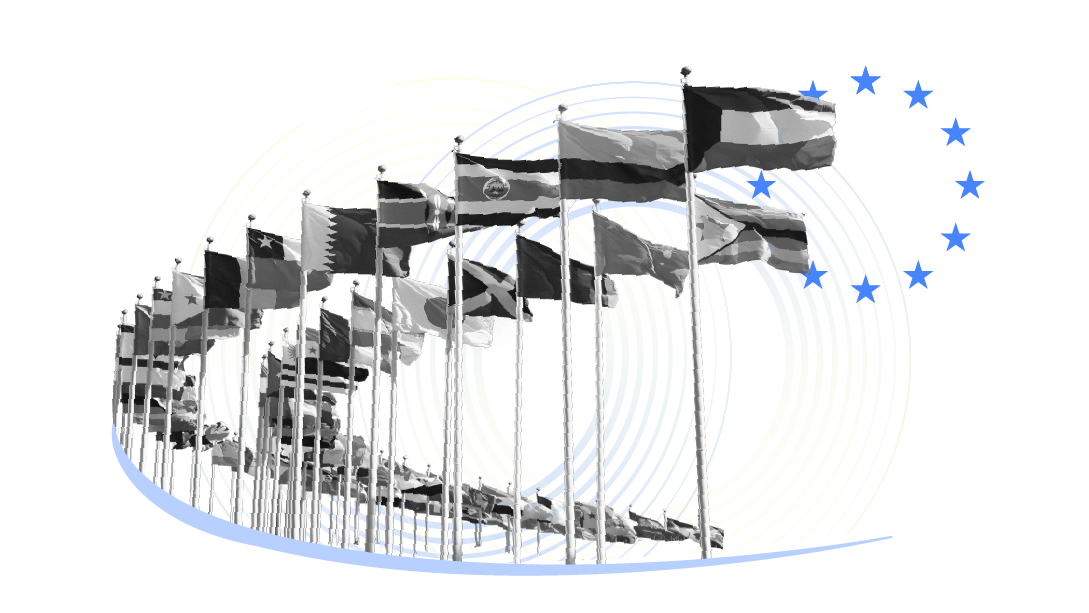
Czym jest multilateralizm?
Multilateralizm polega na tym, że kraje działają wspólnie – w oparciu o dialog i wspólne zasady – po to, by reagować na wspólne wyzwania i znajdować rozwiązania korzystne dla wszystkich.
Opiera się na założeniu, że współpracując i słuchając siebie nawzajem, państwa razem mogą osiągnąć więcej, niż mogłyby osiągnąć samodzielnie. Sama UE jest przykładem wielostronnej współpracy.
Priorytet Unii Europejskiej
UE zdecydowanie popiera multilateralizm. Ściśle współpracuje z ONZ oraz innymi międzynarodowymi organizacjami i partnerami w działaniach na rzecz poszanowania prawa międzynarodowego oraz krzewienia pokoju i praw człowieka.
Przewodniczący Rady Europejskiej António Costa, który pełni funkcję przedstawiciela UE na spotkaniach międzynarodowych, angażuje się we współpracę z partnerami na całym świecie, aby wspierać globalną współpracę i sprawiedliwy, oparty na zasadach ład międzynarodowy.

Działania Antónia Costy w świecie: wzmacnianie relacji z partnerami międzynarodowymi
UE i Organizacja Narodów Zjednoczonych
Organizacja Narodów Zjednoczonych jest centralnym elementem światowego systemu wielostronnego. Pełni funkcję globalnej platformy dialogu, współpracy i wspólnych działań. Wszystkie państwa UE są pełnoprawnymi członkami ONZ, natomiast UE jest członkiem-obserwatorem o wzmocnionym statusie.
UE i jej państwa członkowskie są zdecydowanymi orędownikami Karty Narodów Zjednoczonych i zapisanych w niej zasad. Wspólnie wnoszą największy wkład finansowy do systemu ONZ.
Udział UE w głównych organach ONZ

Zgromadzenie Ogólne jest głównym organem ONZ, w którym reprezentanci państw prowadzą dyskusje i podejmują decyzje polityczne. UE ma w nim wzmocniony status obserwatora i koordynuje stanowiska swoich 27 państw członkowskich, tak by prezentować jednolity punkt widzenia.

Rada Bezpieczeństwa jest głównym organem odpowiedzialnym za zapewnianie pokoju i bezpieczeństwa na świecie. Zgodnie z prawem unijnym państwa UE zasiadające w Radzie Bezpieczeństwa muszą działać jednomyślnie oraz promować stanowisko i interesy UE.
Jeden głos w handlu światowym
Światowa Organizacja Handlu (WTO) ustala zasady handlu międzynarodowego na szczeblu wielostronnym. UE należy do WTO od dnia utworzenia tej organizacji, czyli od 1 stycznia 1995 r.
Każde z 27 państw UE jest również pełnoprawnym członkiem WTO. Jako unia celna posiadająca wspólną politykę handlową i wspólną zewnętrzną taryfę celną UE przemawia w ramach WTO jednym głosem.
Kształtowanie globalnej polityki w ramach G-7 i G-20
Grupy G-7 i G-20 to międzyrządowe fora skupiające największe gospodarki świata. Ustalają, jak reagować na globalne wyzwania w spolaryzowanej i szybko zmieniającej się sytuacji geoekonomicznej.
UE jest pełnoprawnym członkiem G-7 od 1981 r., ale uczestniczy w niej jako członek specjalny, „niewymieniony w wykazie”. Członkami są również trzy państwa UE – Francja, Niemcy i Włochy.
UE jest pełnoprawnym członkiem G-20 od czasu utworzenia tej grupy w 1999 r. Członkami są również trzy państwa UE – Francja, Niemcy i Włochy. Hiszpania jest stałym gościem.

Współpraca z NATO
Organizacja Traktatu Północnoatlantyckiego (NATO) jest politycznym i wojskowym sojuszem państw Europy i Ameryki Północnej. Jego członkowie są zobowiązani chronić się wzajemnie przed wszelkimi zagrożeniami.
Do NATO należą prawie wszystkie państwa UE z wyjątkiem Austrii, Cypru, Irlandii i Malty.
Podstawą partnerstwa strategicznego UE–NATO są wspólne wartości, determinacja w stawianiu czoła wspólnym wyzwaniom oraz jednoznaczna wola krzewienia i chronienia pokoju, wolności i dobrobytu w obszarze euroatlantyckim.

Współpraca UE–NATO
Współpraca z partnerami regionalnymi
UE współpracuje z partnerami regionalnymi, takimi jak Unia Afrykańska, CELAC (Wspólnota Państw Ameryki Łacińskiej i Karaibów) i Bałkany Zachodnie. Regularnie organizuje z nimi szczyty, których głównym celem jest zbliżenie celów politycznych i strategicznych oraz wzmocnienie więzi gospodarczych i handlu.
W szczytach tych uczestniczą szefowie państw lub rządów z wszystkich krajów danego regionu oraz z 27 państw członkowskich UE.
Nowe objaśnienia

Współpraca UE z Organizacją Narodów Zjednoczonych
Współpraca UE–NATO

UE i Światowa Organizacja Handlu
Ostatnia aktualizacja: 31 sierpnia 2026
