- Rada pro dopravu, telekomunikace a energetiku
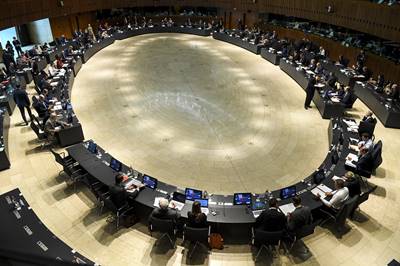
Rada pro dopravu, telekomunikace a energetiku (doprava), 2. června 2022
Hlavní body pořadu jednání
Ministři dopravy zemí EU se vyzývají, aby přijali obecné přístupy ke všem třem relevantním složkám balíčku „Fit for 55“, jehož cílem je snížit do roku 2030 emise skleníkových plynů v EU alespoň o 55 %.
Infrastruktura pro alternativní paliva
Omezení používání fosilních paliv v dopravě je jedním z klíčových prvků pro to, aby EU dosáhla do roku 2050 klimatické neutrality. K dosažení tohoto cíle je zapotřebí dostatek dobíjecích bodů a výdejních stojanů pro automobily, letadla a lodě.
Nařízení o infrastruktuře pro alternativní paliva (AFIR) stanoví konkrétní cíle pro rozvoj této infrastruktury v EU v nadcházejících letech.
Ministři EU budou usilovat o to, aby přijali k návrhu obecný přístup.

„Fit for 55“: zvýšené využívání ekologičtějších paliv v odvětví letecké a námořní dopravy (Infografika)
Udržitelná paliva v dopravě
Udržitelná paliva v dopravě mohou hrát klíčovou úlohu při snižování emisí skleníkových plynů. Odvětví letecké a námořní dopravy v současné době závisí téměř výhradně na fosilních palivech.
Cílem nových nařízení je zajistit rovné podmínky pro udržitelnou leteckou dopravu (iniciativa ReFuelEU Aviation) a pro využívání obnovitelných a nízkouhlíkových paliv v námořní dopravě (iniciativa FuelEU Maritime). Jejich cílem je zvýšit využívání udržitelných paliv letadly a loděmi s cílem snížit jejich environmentální stopu.
Rada má v plánu dohodnout se na obecném přístupu k oběma návrhům.
Inteligentní dopravní systémy
Cílem Rady je přijmout obecný přístup k revizi směrnice o inteligentních dopravních systémech (ITS), která by měla přispět k zásadní transformaci evropského dopravního systému za účelem dosažení cíle udržitelné, inteligentní a odolné mobility.
Nezbytnou hnací silou této transformace je digitalizace. Díky digitalizaci bude celý dopravní systém fungovat plynule a bude efektivnější. Rovněž se jí dále zvýší úroveň bezpečnosti, ochrany, spolehlivosti a pohodlí.
Osobní lodě
Ministři zemí EU budou usilovat o dosažení dohody o obecném přístupu ke zlepšení požadavků na stabilitu osobních lodítypu ro-ro s cílem poskytnout jasný, jednoduchý a aktuální právní rámec, který bude možné snadněji provádět, sledovat a vymáhat. Cílem nových pravidel je zvýšit celkovou úroveň bezpečnosti lodí provozujících mezinárodní plavbu.
Transevropské dopravní sítě (TEN-T)
Ministři zemí EU si vymění názory na návrh revidovaného nařízení o transevropské dopravní síti (TEN-T) s cílem poskytnout přípravným orgánům Rady další pokyny ohledně dalšího postupu.
Cílem politiky TEN-T je zajistit plynulou, udržitelnou a efektivní dopravu v celé Unii a zároveň posílit sociální, hospodářskou a územní soudržnost.
Ro-ro passenger ships
The Council adopted its general approach on the draft directive on improved stability requirements for ro-ro passenger ships. This proposal, although highly technical in nature, is important for increasing the safety level of these vessels and therefore for better protecting our citizens.
Ro-ro passenger ships operate numerous maritime routes within Member States, between Member States and with third countries. They are therefore of major importance for the mobility of passengers and goods in Europe.
Ministers supported this proposal, which ensures the level of safety of these ships by ensuring, as far as possible, consistency with the international standards for stability of damaged passenger ships, which were recently updated by the International Maritime Organization (IMO) under the 2020 SOLAS Convention. These new international standards must be supplemented in order not to lower the level of the requirements already in force in the Union for new small vessels. For that reason, the text of the Council’s general approach adhered to the logic of the Commission proposal by providing for a level of safety requirements equivalent to existing EU law.
Trans-European transport network (TEN-T)
Ministers held an exchange of views on the draft regulation on the development of the trans-European transport network (TEN-T), based on a progress report. They agreed that the policy on the development of the trans-European transport network is a key instrument of the Union’s transport policy. It must encourage sustainable and more efficient transport of people and goods while also strengthening the EU’s economic, social and territorial cohesion by creating a reliable, high-quality transport system free of physical interruptions, missing links and bottlenecks.
Ministers agreed on the principle of revising the regulation currently in force in order to facilitate the transition to sustainable modes of transport. They supported aligning the development of the TEN-T network with the EU’s climate and sustainable development objectives, strengthening the resilience of the TEN-T network and improving the effectiveness of its governance tools.
Ministers pointed out specific points requiring attention, with questions about certain elements of the Commission proposal, in particular the level of certain requirements and deadlines for implementation.
Underlining the importance of this proposal, which concerns infrastructure development in all EU member states, delegations noted that discussions in the Council have progressed significantly. However, given the scope of the revision, the Council has not yet reached agreement on this legislative proposal and the work of the Council’s preparatory bodies will have to continue.
Situation in Ukraine
Over lunch, ministers exchanged views on the situation in Ukraine following their informal video conference meeting on 8 April in order to provide a coordinated response in the field of transport to Russia’s war of aggression against Ukraine.
Since that meeting, various actions have been carried out at European level: a draft mandate from the Council to the Commission to negotiate an agreement to temporarily liberalise certain road freight operations between the European Union and Ukraine and Moldova has been adopted and should allow the Commission to start negotiations swiftly.
On 12 May, the Commission presented an action plan to help Ukraine export its agricultural products through the establishment of ‘solidarity lanes’ to optimise supply chains and controls between Ukraine and the EU, to establish new transport routes and to avoid bottlenecks. This action plan is based in particular on a platform for exchanges between stakeholders bringing together industry, logistics, representatives of member states and Ukrainian authorities. Short-term measures are also envisaged, including the identification of the logistical capacities available in the EU, as well as medium- and long-term measures to increase the capacity of infrastructure to accommodate larger flows of goods from Ukraine.
On 23 May, the Commission also adopted an emergency plan to strengthen transport resilience in times of crisis, building on experience from the public health crisis (COVID-19) or linked to Russia’s war of aggression against Ukraine. In the form of a toolbox, it is based on 10 measures: adapting legislation to crises; providing adequate financial support; creating green lanes to facilitate road freight transport flows; having a coordinated approach to restrictions on free movement within the EU; maintaining minimum transport links and passenger protection; exchanging information among member states; increasing cybersecurity; introducing emergency tests to check the resilience of the sector; co-operating with international partners.
In the light of these elements, and fully supporting all the initiatives and actions described above, ministers held an exchange of views on the various possibilities to remove obstacles and best implement the commitments made in the field of transport to meet the challenges posed by the war in Ukraine.
Any other business
Under any other business, the presidency briefed ministers on the state of play of the proposed decision on the implementation of the notification of offsetting requirements under the Carbon Offsetting and Reduction Scheme for International Aviation (CORSIA) for aircraft operators established in the EU. The Permanent Representatives Committee endorsed a mandate for negotiations with the European Parliament at its meeting on 20 May 2022.
The Dutch and Austrian delegations presented the second progress report on the platform on international rail passenger transport.
The Danish delegation expressed concerns about developments in the road freight transport sector in view of the strong growth in the number of driver attestations for third-country drivers.
-
Tento zdroj je v současné době k dispozici pouze v těchto jazycích:
In addition, the Polish delegation presented a joint statement by nine member states (Bulgaria, Czechia, Estonia, Hungary, Latvia, Lithuania, Poland, Slovakia and Romania) on the actions needed at European level to enable the continuation and completion of infrastructure investments.
Moreover, the Greek delegation informed about the illegal seizure of two-Greek flagged vessels by Iranian armed groups in the Persian Gulf.
-
Tento zdroj je v současné době k dispozici pouze v těchto jazycích:
As the last item, the incoming Czech presidency presented its work programme for the second half of 2022.

„Fit for 55“: směrem k udržitelnější dopravě (Infografika)
Dokumenty k zasedání
Přípravné dokumenty
Tiskové zprávy
Informace pro média
Kontakt pro tisk
-
Niels Timmermans Press officer
- +32 470 18 22 47
- +32 2 281 32 65
Nepracujete-li pro média, obraťte se prosím se svým dotazem na službu informací pro veřejnost.
Akreditace a mediální události
Obecné informace o akreditaci naleznete zde.
Akreditace médií na mezinárodní summity konané mimo Evropskou unii zajišťují vládní orgány hostitelské země.
Sledujte aktuální dění
- Přihlaste se k odběru informačních e-mailů a budete mít aktuální informace o tomto zasedání i o dalších, podobných jednáních.
- Sledujte @EUCouncilPress a dozvíte se nejnovější zprávy.
- Hashtag na síti X: #TTE
Fotografie a videozáznamy

Další zasedání: Rada pro dopravu, telekomunikace a energetiku
Uskutečněná zasedání
Naposledy aktualizováno: 16. ledna 2025
