We use cookies to improve your browsing experience. Necessary cookies are required to support essential features of the Council's website. Optional cookies help us produce anonymous and aggregated statistical reports to better serve your needs.
With your permission, we will use cookies to produce aggregated, anonymous data about our visitors' browsing and behaviour on our website. We will use this data to improve your experience on our website.
Justice and Home Affairs Council (Justice), 5 June 2026
Main results
Justice programme 2028-2034
The Council agreed its partial negotiating position on the new Justice programme, which forms part of the EU’s overall budget. The programme aims to support judicial cooperation in civil and criminal matters and judicial training, and to promote the independence and impartiality of the judiciary. It also aims to ensure equal access to justice for all citizens and businesses, based on the rule of law, mutual recognition and mutual trust. The negotiating position is 'partial' because it excludes financial and horizontal issues. These are currently being discussed as part of the negotiations on the next multiannual financial framework (MFF).
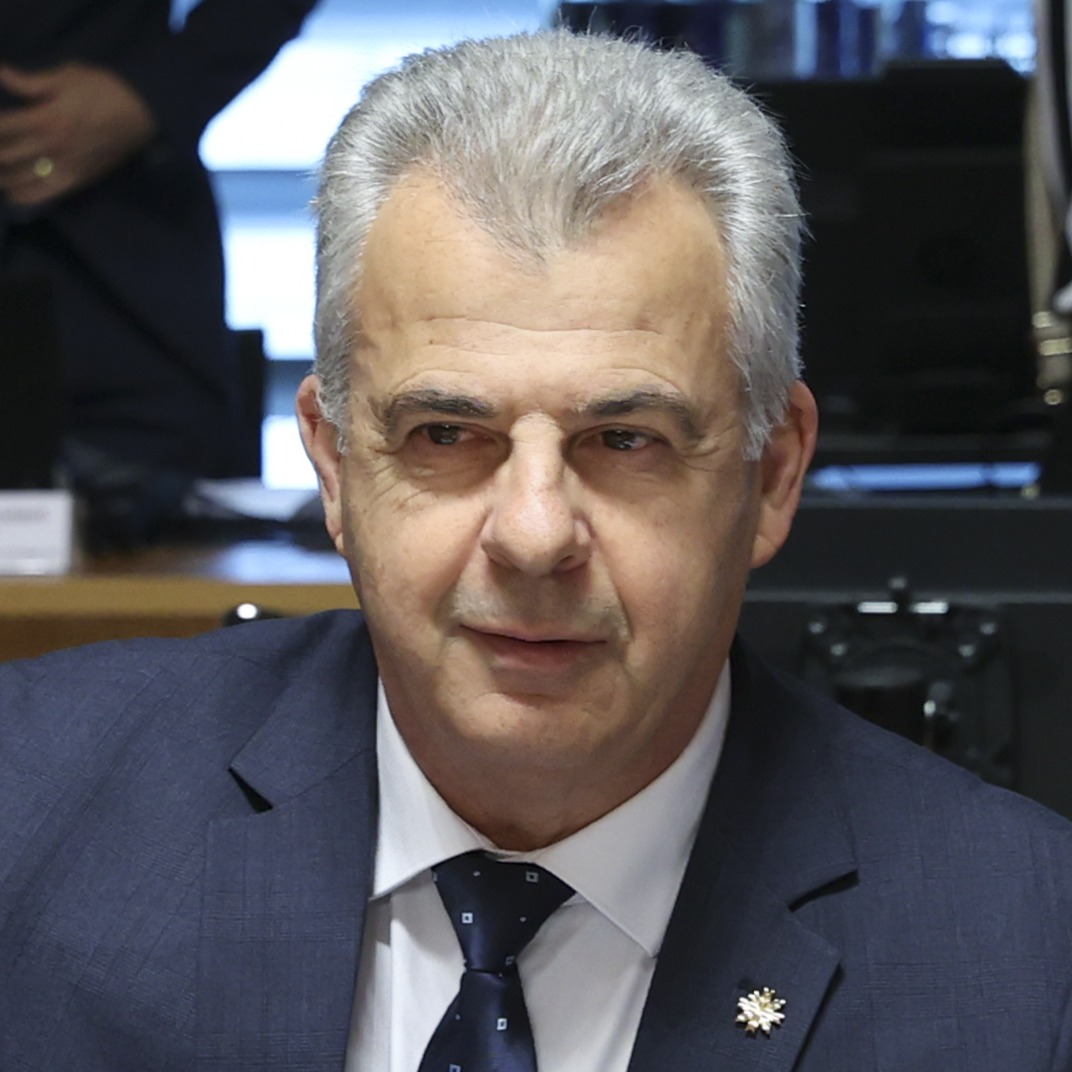
At a time when justice and rule of law must continue to be safeguarded, the agreement reached today marks an important step towards a more effective, accessible and digitalised European area of justice. The new Justice programme will support cooperation across borders, improve access to justice, and reinforce the independence of our judicial systems throughout the EU.
Costas Fytiris, Minister of Justice and Public order of the Republic of Cyprus
Ministers held a policy debate on a proposed regulation on the recognition of parenthood and provided guidance for further work towards reaching an agreement. The proposal aims to ensure that parenthood established in one member state is recognised across the EU, providing legal certainty in cross-border situations. It seeks to protectall children, regardless of how they were conceived or born, or of their type of family.
The Presidency and the European chief prosecutor Laura Kövesi updated ministers on the state of play on the EPPO.
As the terms of office for the European prosecutors from several member states will end on 28 July 2026, discussions highlighted that making progress on the ongoing process for the partial renewal of the EPPO College is a priority.With the current German European prosecutor, Andrés Ritter, taking over as chief European prosecutor from 1 November, a new European prosecutor also for Germany should also be appointed.
Discussions also touched upon the revision of the regulation on access of EPPO and OLAF to VAT information at the EU level, which should be adopted in the coming months. This will mark a significant step towards reinforcing the efficiency of EPPO in the fight against fraud.
Finally, Hungary announced that it has formally notified the Commission and the Council of its intention to join the EPPO. With Hungary joining EPPO, all member states will have joined the enhanced cooperation (Ireland and Denmark have an opt out).
Russia’s war of aggression against Ukraine: fight against impunity
Ministers received an update from the Commission and Eurojust on the latest developments aimed at ensuring accountability for crimes committed in Ukraine. On 15 May, the Commission, on behalf of the EU, joined the Enlarged Partial Agreement of the Special Tribunal for the Crime of Aggression against Ukraine. The agreement sets out the institutional, financial, and administrative arrangements of the Special Tribunal. The Commission also ratified the Convention establishing the International Claims Commission for Ukraine.
Over a working lunch, ministers held a debate on possible EU initiatives in criminal law to regulate hate speech and hate crime.. They exchanged views on the possible extension of the current list of EU crimes to hate speech and hate crime to address both offline and online threats or alternatively, to rely on existing legal basis to address online hate speech and hate crime.
Under other business, the Commission informed on the 2026 EU Justice Scoreboard, which provides comparative data on a range of indicators concerning member states’ national justice systems.
The Commission also briefed ministers on international cooperation agreements between Eurojust and third countries. Over the the past five years, agreements have been concluded with Lebanon, Armenia, Bosnia and Herzegovina and Algeria under a mandate covering 13 countries.