We use cookies to improve your browsing experience. Necessary cookies are required to support essential features of the Council's website. Optional cookies help us produce anonymous and aggregated statistical reports to better serve your needs.
With your permission, we will use cookies to produce aggregated, anonymous data about our visitors' browsing and behaviour on our website. We will use this data to improve your experience on our website.
General Affairs Council (Cohesion), 22 November 2022
Main results
Long-term impacts of cohesion policy on EU regions
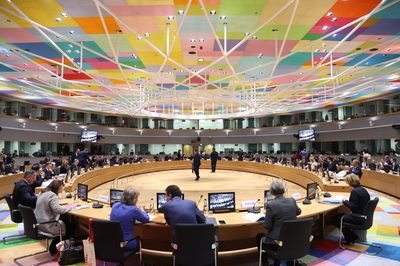
The Council discussed the role of cohesion policy as a key lever to promote long-term convergence within the EU and reduce disparities in the level of development of the various regions.
Ministers welcomed the contribution of cohesion policy to closing the gap between less and more developed regions and member statesover the past decades, and noted its positive impact also beyond the regions that benefit the most from the EU programmes.
They stressed that cohesion policy is a modern and flexible investment tool helping regions across the EU to work towards shared long-term goals, while addressing more immediate challenges on the ground, as needed.
During the debate, ministers also outlined their views on various issues, such as the key goals and principles of cohesion policy to be safeguarded for the future, the challenges that the policy will face and how to best address them. Ministers also touched upon the added value of cohesion policy compared to other EU policies and instruments, and underlined the need to create more synergies between the various instruments to better deliver on the key objectives of cohesion policy.
Among other things, they stressed that cohesion policy should be able to rest on a robust and effective policy mix of national and EU policies and instruments to help regions to tackle the various challenges stemming from demographic and technological changes and the digital and green transitions, ensuring that no region is left behind.
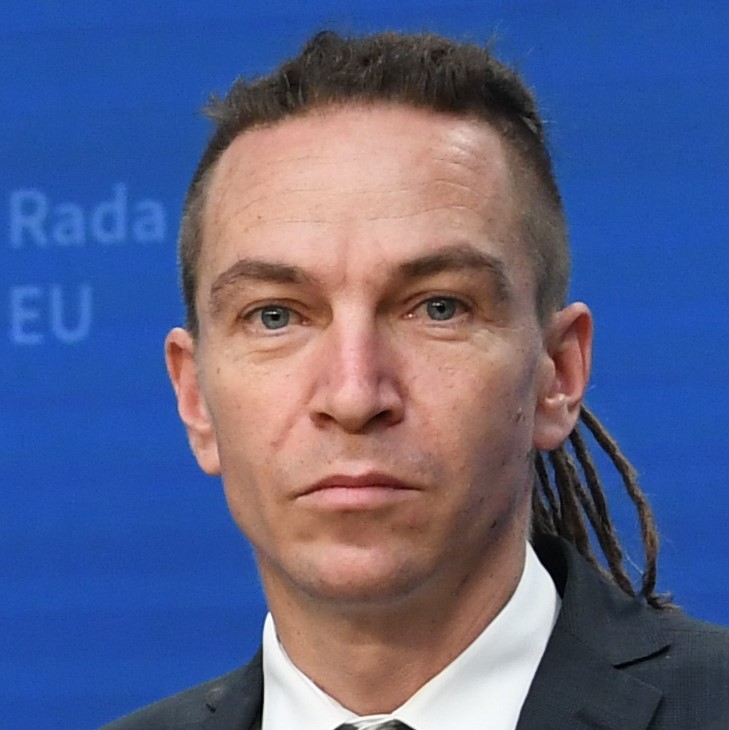
Cohesion policy is a powerful and dynamic European investment tool helping member states and their regions to develop. It has been able to respond flexibly to the recent crises, but its true strength lies in long term transformation, driven at the local level. We need to ensure that the policy remains fit-for-purpose also in the future, helping the EU's regions to effectively address the various challenges they are facing, such as demographic changes and the green and digital transitions.
Ivan Bartoš, Czech Deputy Prime Minister for Digitisation and Minister of Regional Development
The Council approved conclusions on cohesion policy, providing a general assessment of its role in fostering regional development in the EU, as well as the main implementation strengths and challenges and a possible outlook for the future.
The conclusions cover different aspects of cohesion policy, including its added value, its role in addressing the recent crises, territorial elements, and the future of the policy post-2027. Key benefits of the policy are highlighted, such as the fact that each €1 spent generates an estimated €2.7 of additional GDP at EU level. The Council also proposes areas for further improvement, such as simplifying and harmonising the rules, preventing an overlap with other EU programmes, and the need to consider the specificities of each region.
As an item without discussion, the Council formally adopted the EU budget for 2023 which it had agreed in negotiations with the European Parliament on 14 November. Total commitments are set at €186.6 billion. This is an increase of 1.1% compared to the 2022 budget as amended. €0.4 billion has been kept available under the expenditure ceilings of the multiannual financial framework for 2021-2027, allowing the EU to react to unforeseeable needs. Total payments amount to €168.6 billion, rising 1% from 2022.
 Cohesion policy is a powerful and dynamic European investment tool helping member states and their regions to develop. It has been able to respond flexibly to the recent crises, but its true strength lies in long term transformation, driven at the local level. We need to ensure that the policy remains fit-for-purpose also in the future, helping the EU's regions to effectively address the various challenges they are facing, such as demographic changes and the green and digital transitions.