Carbon border adjustment mechanism
The carbon border adjustment mechanism ensures that non-EU producers face the same carbon costs as EU producers when selling goods in the EU.
How does the EU try to prevent carbon leakage?
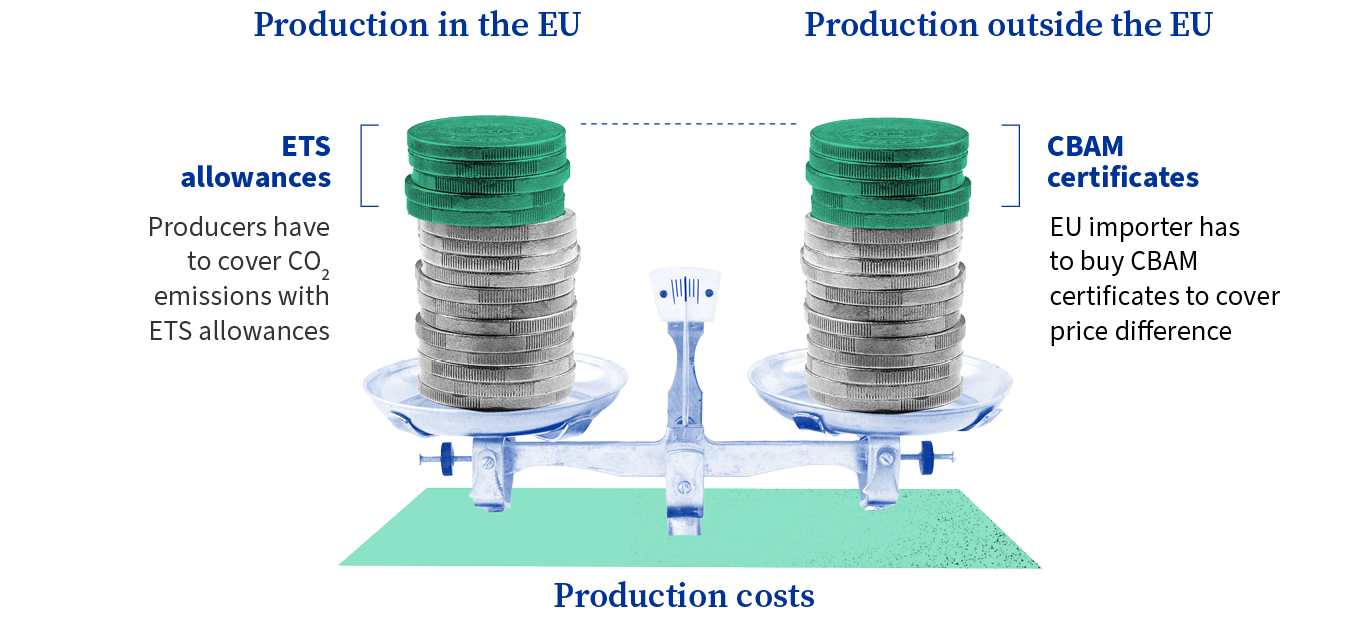
EU industrial producers in certain sectors must offset CO2 emissions with allowances from the EU emissions trading system (ETS). However, for production outside of the EU, the ETS does not apply. As a result, carbon-intensive production could move to countries with less strict climate policy and imported products could gain a price advantage at the expense of the environment. This is known as carbon leakage.
The carbon border adjustment mechanism (CBAM) is the EU's tool to fight carbon leakage. This system puts a fair price on carbon emitted during the production of imported goods in the most carbon-intensive sectors – iron and steel, cement, fertilisers, aluminium, electricity and hydrogen - and encourages cleaner industrial production in non-EU countries.
The CBAM regulation was formally adopted by the Council in April 2023 and became fully operational on 1 January 2026.
How does the carbon border adjustment mechanism work?
The carbon border adjustment mechanism requires EU importers to buy CBAM certificates to cover the price difference resulting from ETS allowances that producers in the EU must use to cover their CO2 emissions.
The CBAM functions in parallel with the ETS, which encourages high-emission industries in the EU to reduce emissions. It mirrors the effects of the ETS on non-EU producers. Moreover, it encourages other countries to establish carbon pricing policies.
Which products are covered?
The CBAM covers sectors with high carbon emissions and a high risk of carbon leakage.
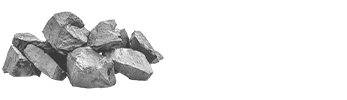
iron and steel

cement
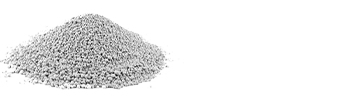
fertilisers
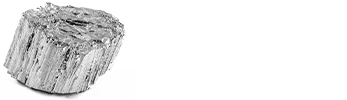
aluminium
electricity
hydrogen production
The regulation also covers certain precursors and downstream products (products that are above or below in the value chain of the products covered by the CBAM).
Indirect emissions are also included in the regulation in a well-circumscribed manner.
Strengthening the mechanism
In September 2025, the Council adopted a set of changes to simplify the CBAM and cut red tape as part of the Omnibus I legislative package. The regulation entered into force on 20 October 2025.
In December 2025, the European Commission proposed further measures to strengthen and expand the carbon border adjustment mechanism. The proposal includes measures to:
- extend the CBAM's scope to a larger number of 'downstream' products that are not raw materials but contain large quantities of iron, steel or aluminium
- introduce several anti-circumvention measures designed to prevent the avoidance of CBAM obligations
- improve the technical rules for attributing emissions to electricity with the aim of encouraging the decarbonisation of electricity imports
On 12 June 2026, the Council agreed its position on the proposal. The Council supports the CBAM’s extension to selected downstream products while refining the list of products covered. It also supports the introduction of new anti-circumvention measures and clarifies the conditions under which temporary exemptions may be granted in exceptional circumstances.
Negotiations with the European Parliament to reach an agreement on the final legislation will begin once the Parliament has adopted its position.
See also

Fit for 55

European Green Deal

Industrial emissions
Last review: 12 June 2026