Better-connected transport
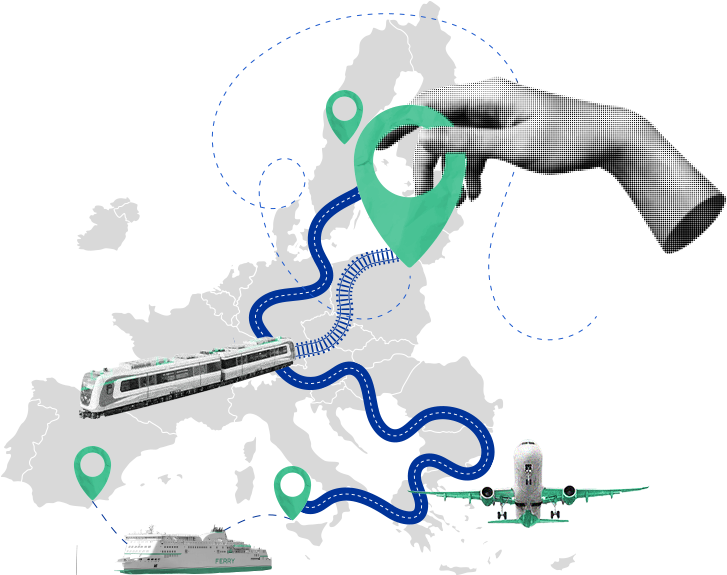
The EU aims to improve transport connections between countries by funding infrastructure, encouraging greener travel and making sure different systems work well together.
Why is interconnectivity important?
The transport sector contributes around 5% to the EU’s GDP and employs more than 10 million people in Europe. Smooth connections between various modes of transport mean shorter travel times, less hassle for passengers (e.g. thanks to easier purchasing of intermodal tickets), lower costs for both passengers and freight and lower CO2 emissions.
Trans-European transport network (TEN-T)
The trans-European transport network (TEN-T), launched in 1996, was designed with the goal of establishing criteria for cross-border projects leading to trans-European connectivity.
The current TEN-T guidelines have been updated a number of times, with the latest overhaul dating back to June 2024, when the Council adopted a revision of the regulation regarding EU guidelines for the development of the TEN-T network.
The new legislation aims to build a reliable, seamless and high-quality transport network that ensures sustainable connectivity across Europe without physical interruptions or bottlenecks. The three-layer TEN-T network will be developed or upgraded step by step, with the new regulation setting clear deadlines for completion. Those deadlines are:
- core network completed by 2030
- newly added extended core network completed by 2040
- full network completed by 2050
Connecting Europe Facility
The Connecting Europe Facility (CEF) is an EU funding programme designed to enhance infrastructure across the continent. The initiative aims to support investments in high-performing, sustainable infrastructure in the transport, digital and energy sectors, thereby strengthening the EU's internal market and promoting economic growth.
In June 2021, the Council adopted the second edition of this programme, known as CEF 2.0, allocating over €33 billion for the period 2021–2027.
A significant portion (over 75%) of the CEF 2.0 budget is dedicated to the transport sector, with a focus on modernising and connecting different modes of transport, including rail, road, inland waterway and maritime routes.
Beyond transport, CEF 2.0 also funds projects in the digital and energy sectors, with the aim of building a better-connected, sustainable Europe by advancing the green transition, enhancing energy security and improving digital connectivity for all.
On 15 December 2025 the Council reached a partial general approach on the operational provisions of the proposed regulation establishing the Connecting Europe Facility for the period 2028–2034 (CEF-III). The proposal is part of the next multiannual financial framework (MFF).
Intelligent transport systems
The Council has adopted a new framework for the roll-out of intelligent transport systems to accelerate the digital transition and smarter mobility in the EU. The new rules are part of the Commission's sustainable and smart mobility strategy.
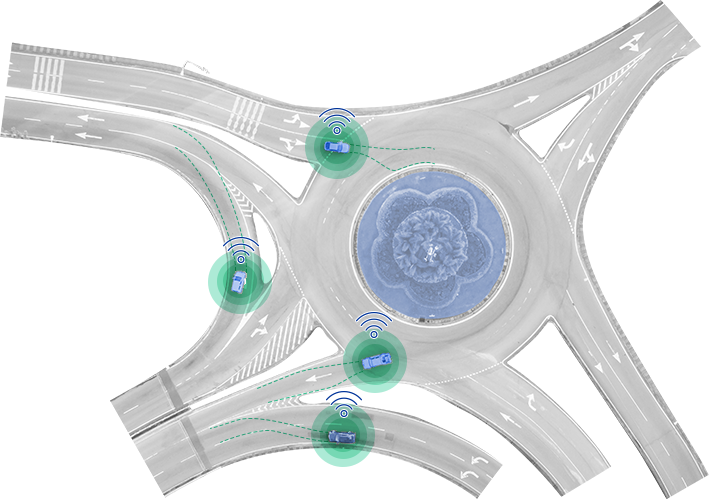
Intelligent transport systems (ITS), such as journey planners, eCall and automated cars, revolutionise the way people move around, saving time, reducing emissions and congestion and simplifying journey planning.
The revised ITS directive, adopted by the Council in October 2023, aims to accelerate the availability and enhance the interoperability of digital data that feed ITS services, such as multimodal journey planners and navigation services. This will allow vehicles and road infrastructure to communicate with one another, for example to provide warnings about unexpected events, such as traffic jams.
Transport policy by mode
Learn more about what the EU does in relation to air, rail, road and maritime transport.




Related content
Last review: 15 December 2025