New genomic techniques for plant breeding
New plant-breeding methods can increase food security and mitigate the effects of climate change. To benefit from these methods and ensure they are used safely and spur innovation, the EU is introducing new rules.
Plant breeding
For thousands of years, humans have sought to improve their plants to ensure they have safe and nutritious sources of food. It started out with the simple act of selecting the strongest, most flavourful or most productive crops.
In the mid-19th century, Gregor Mendel established the principles of inheritance underlying the cross-breeding of plants – a technique that involved combining the characteristics of two different plants from the same species. Cross-breeding techniques have evolved over centuries.
Plants and their ancestors
Many plants cultivated today are very different from their wild ancestors.
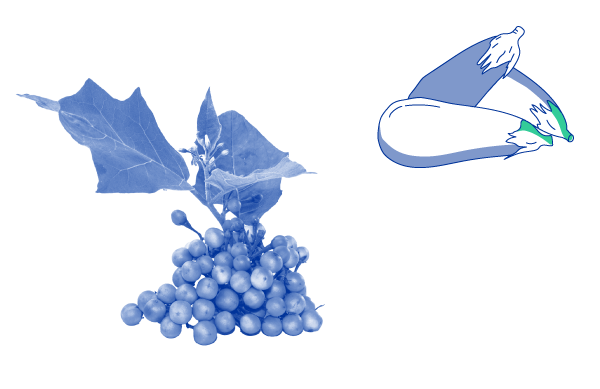
Aubergine

Cauliflower
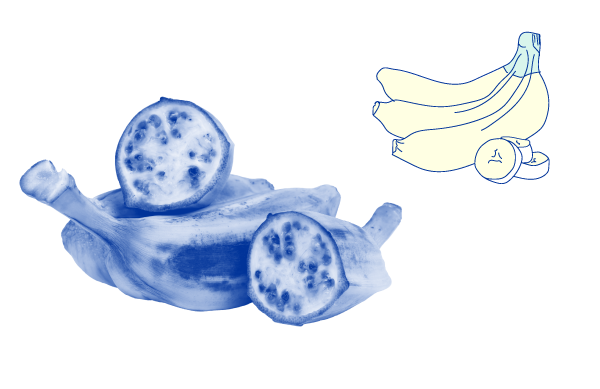
Bananas
A safeguard for food security
New plant-breeding techniques have the potential to contribute to sustainable agri-food systems and help respond to challenges such as global food insecurity and climate change, with benefits for farmers, consumers and the environment. With the new methods, the use of pesticides could be reduced and plants with fewer allergens could be developed.
New genomic techniques (NGTs) can help breed plants which:
- are climate-resilient or pest-resistant
- require fewer fertilisers and pesticides
- can ensure higher yields
- use water and other natural resources more efficiently
Examples of plants obtained with new genomic techniques
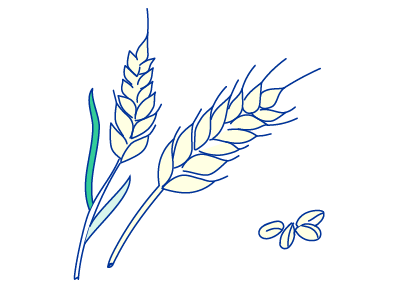
Low-gluten wheat
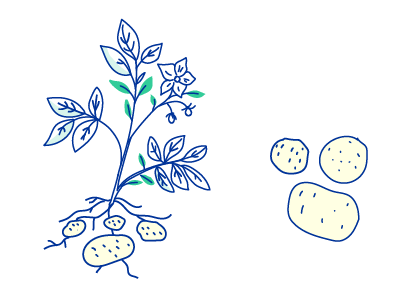
Pathogen-resistant potato
Drought-tolerant maize
Why does the EU need new rules?
Gene-editing techniques are regulated in the EU by the genetic modification (GMO) legislation, which includes a number of legislative acts.
Currently, plants obtained with new genomic techniques fall under the GMO legislation, according to a ruling of the European Court of Justice from 2018.
However, unlike GMO plants, plants bred using new genomic techniques can be very similar or even identical to products generated with conventional breeding techniques, or even to plants occurring naturally.
NGT plants containing foreign genetic material continue to be regulated under the GMO legislation. The new EU rules aim to give legal clarity on new breeding methods that do not use foreign DNA.
They aim to contribute to the goals of the European Green Deal and the 'farm to fork' strategy, biodiversity, adaptation to climate change, global food security and the bioeconomy.
By regulating plant breeding, the EU aims to make the sector safe, transparent, effective and competitive.
Breeding techniques and EU legislation
There are three main techniques for breeding plants.
Conventional breeding techniques
Established genetic modification (GMO) techniques
New genomic techniques (NGT)
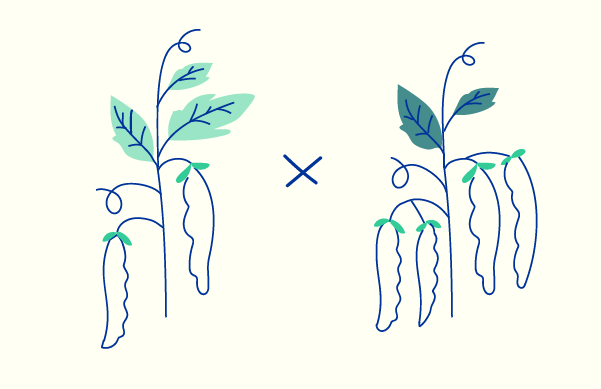
Two varieties of a plant species are crossed multiple times to get a plant with the desired traits (cross-breeding). Nowadays, the process is accelerated with chemicals or radiation (mutation breeding or mutagenesis).

The genetic material of a plant is altered in a way that does not occur naturally by crossing or natural recombination, sometimes with foreign DNA (transgenic breeding or transgenesis).

The genome of a plant is modified at a selected targeted location (targeted mutagenenis) or a sequence from the same species or a closely related species is inserted (cisgenesis).
Here is how EU legislation applies:
- conventional breeding: outside the scope of the EU GMO legislation
- genetic modification: regulated under the EU GMO legislation
- new genomic techniques: to be regulated under the new NGT rules, in combination with the GMO legislation if applicable
Rules for new genomic techniques in practice
On 4 December, the Council has reached a provisional agreement with the European Parliament on a set of rules that establish a legal framework for new genomic techniques.
With the new rules, the EU will provide:
- greater safety
- more transparency and improved labelling
- enhanced innovation
The rules would require all NGT plants to be listed in a public database and banned from organic production.
In addition, two categories of plants would be established:
- category 1: plants equivalent to conventionally bred or naturally mutated plants
- category 2: plants with more complex modifications
Different rules would apply to each category.
Category 1 plants
The rules would regulate:
- placing on the market: before a plant or a product derived from NGT was deliberately released or placed on the market, national authorities and the European Commission would verify whether it belonged to category 1
- labelling: seeds and other reproductive material would have to have a label identifying them as NGT in origin; plants would not need to be labelled
- traits: herbicide-tolerant plants would be excluded from category 1
- patenting: companies or breeders would have to submit information on all existing or pending patents; an expert group would be created to study the impact of patents on NGT plants; and the European Commission would publish a study on the impact of patenting on innovation, access to patented NGT plants, and the competitiveness of the EU’s plant breeding sector.
These plants would be exempted from the GMO legislation. Instead, existing EU legislation on food and feed, novel foods, nature conservation and environmental liability would apply.
EU countries could take measures to ensure that category 1 plants are not unintentionally present in organic farming on their territory.
Category 2 plants
The rules would regulate:
- placing on the market: before a plant or a product derived from NGT was deliberately released or placed on the market, national authorities and the European Commission would have to authorise its use; this would include risk and safety assessments
- labelling: authorised category 2 products would have to bear a label, which might give information about the traits that resulted from the genetic modification; if the producer included the traits on the label, all of them would have to be listed
- incentives: regulatory incentives could be offered to producers of plants with traits that could improve sustainability, such as more efficient use of water or resistance to diseases or climate change conditions, except for plants containing herbicide-tolerant traits
Category 2 plants would have to comply with the existing GMO legislation, adapted by the rules on new genomic techniques, to cater for the diverse risk profiles of those plants.
EU countries could take measures to ensure that category 2 plants were not unintentionally present in non-NGT products. They could also restrict or prohibit the cultivation of category 2 plants on their territory.
Next steps
The Council has adopted the new rules on 21 April 2026.
The text still needs to be formally adopted by the European Parliament. Once adopted, the regulation will enter into force 20 days after publication in the Official Journal of the EU. Most provisions will apply after a 24-month transition period, allowing time to adopt implementing rules. The new framework is expected to apply from mid-2028.
One year after the entry into force of the regulation, the Commission will publish a study on the impact of patenting on innovation, on the availability of seeds to farmers and on the competitiveness of the EU plant breeding sector. The Commission will then indicate what follow-up measures are needed or publish a legislative proposal to address any issues found in the study.
- New genomic techniques: Council and Parliament strike deal to boost the competitiveness and sustainability of our food systems (press release, 4 December 2025)
- New genomic techniques: Council agrees negotiating mandate (press release, 14 March 2025)
- New genomic techniques: Council adopts new rules to boost sustainable and competitive EU food systems (press release, 21 April 2026)
See also

From farm to fork

Food safety and health

Biodiversity
Last review: 14 March 2025